Concrete, a ubiquitous material in the construction industry, forms the foundation of various structures, from buildings and bridges to roads and sidewalks. Its versatility, durability, and relatively low cost have made it an essential component of modern construction projects. However, concrete is not immune to damage and deterioration over time. Exposure to harsh weather conditions, excessive loads, chemical reactions, and corrosion can lead to cracks, spalling, and other forms of damage that compromise the structural integrity and aesthetics of concrete structures.
To address these issues, concrete repair methods and materials have been developed to restore the functionality, structural integrity, and aesthetic appeal of damaged concrete structures. The selection of appropriate repair methods and materials depends on the extent and nature of the damage, the desired performance requirements, and the specific application.
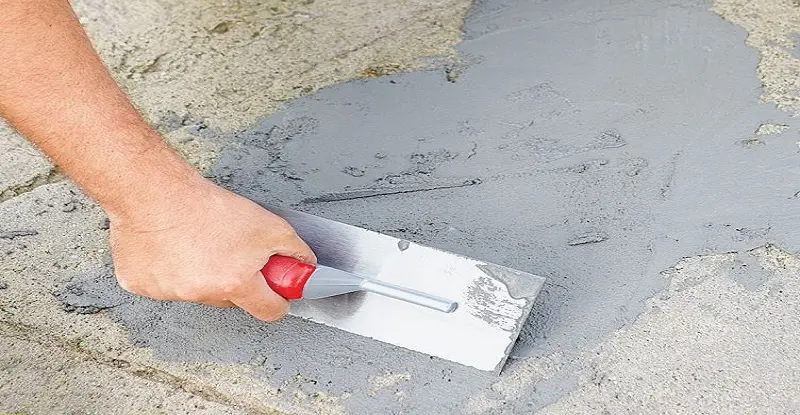
Before initiating any repair work, a thorough assessment of the concrete damage is essential. This involves identifying the type, location, extent, and cause of the damage. Visual inspection, non-destructive testing (NDT) methods, and laboratory analysis may be employed to evaluate the severity of the damage and determine the underlying causes.
Concrete repair methods can be broadly classified into two categories: surface repairs and structural repairs.
Surface repairs address damage that is limited to the top surface of the concrete, typically involving a depth of less than 25 mm (1 inch). These methods are used to restore the appearance, protect the underlying concrete from further deterioration, and improve the overall functionality of the structure. Common surface repair methods include:
Patching: Patching involves removing the damaged concrete and replacing it with a new concrete mixture. The new patch material should be compatible with the existing concrete in terms of strength, workability, and thermal expansion properties.
Overlays: Overlays are thin layers of concrete or mortar applied to the surface of the existing concrete to provide a new wear surface or improve the appearance. They are often used on pavements, walkways, and driveways.
Sealants: Sealants are applied to the surface of the concrete to fill pores and cracks, preventing the ingress of water, moisture, and harmful chemicals that can cause further deterioration.
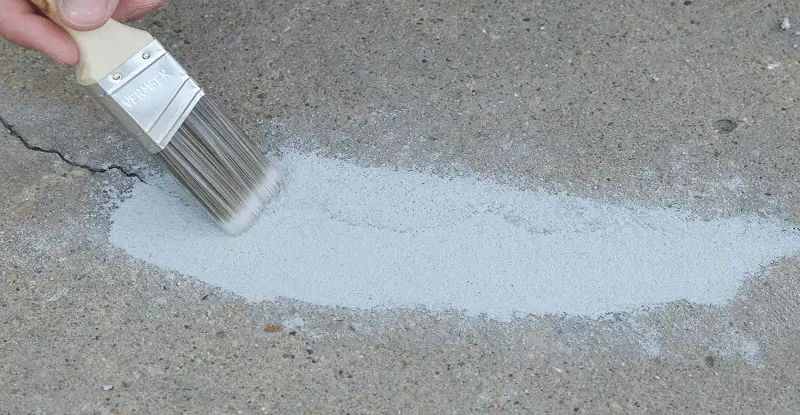
Structural repairs address damage that extends beyond the surface layer and compromises the structural integrity of the concrete member. These methods are crucial for restoring the load-bearing capacity and ensuring the safety of the structure. Common structural repair methods include:
Crack Injection: Crack injection involves filling cracks with a high-strength epoxy resin or grout to restore the structural integrity of the concrete member. The injected material should have good adhesion properties and be able to withstand the stresses placed on the structure.
Shotcrete: Shotcrete is a method of applying concrete or mortar under pressure to a prepared surface. It is commonly used for repairs to vertical or overhead surfaces, such as walls, columns, and beams.
Jacketed Repairs: Jacketed repairs involve encasing damaged concrete members with a steel or concrete jacket to reinforce and strengthen the structure. This method is often used for repairs to beams, columns, and piles.

1.Physical state: powder
2.Color:Gray
3.Storage conditions: protected from water and humidity for one year in the original packaging
4.Packaging: 20 kg bags
5.Chlorine ion: No
6.Mixing ability: Yes
Appearance specific 7.weight: 1300 kg/m3
The selection of appropriate repair materials is critical for successful concrete repairs. The choice of material depends on several factors, including the type and extent of the damage, the desired performance requirements, the environmental conditions, and the compatibility with the existing concrete. Common concrete repair materials include:
Cement-Based Mortars: Cement-based mortars are mixtures of cement, sand, water, and sometimes additives, used for patching, overlays, and grout applications. They offer good strength, durability, and compatibility with existing concrete.
Epoxy Resins: Epoxy resins are high-strength, chemically resistant materials used for crack injection, bonding, and structural repairs. They provide excellent adhesion properties and can withstand high loads.
Shotcrete Mixes: Shotcrete mixes are specially designed concrete or mortar mixtures that can be applied under pressure through a nozzle. They offer versatility in application and can be used for repairs to various surfaces.
Precast Concrete Panels: Precast concrete panels are prefabricated concrete elements used for repairs to walls, columns, and slabs. They offer rapid installation and can provide structural reinforcement.
Proper surface preparation is essential for successful concrete repairs. The damaged surface must be cleaned, dry, and free from loose material or contaminants. The specific surface preparation methods will depend on the type of repair and the material being used.
The application of repair materials should follow the manufacturer’s instructions and industry standards. Proper mixing, curing, and finishing techniques are crucial to ensure the bond strength, durability, and performance of the repair.
Suggested reading: To learn more aboutFlexural strength of concrete And Curing Concrete click.
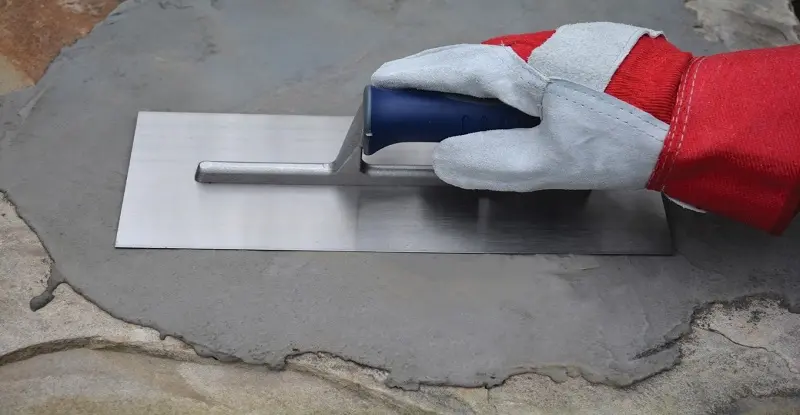
Quality control measures should be implemented throughout the repair process to ensure the quality and effectiveness of the repairs. This includes
Concrete repair plays an important role in maintaining the integrity, performance and aesthetic appeal of concrete structures. By addressing damages caused by various factors such as environmental degradation, excessive loads, and chemical reactions, repair methods can increase the lifespan of concrete structures, reduce the need for costly replacement, and ensure the safety of residents and users. slow down
Selection of appropriate repair methods and materials depends on a thorough assessment of the damage, desired performance requirements, and specific application. Surface repairs address damage limited to the top layer of concrete, while structural repairs address damage that compromises the structural integrity of the member. Conventional repair methods include patching, coating, crack injection, shotcrete, and jacket repairs.
Proper surface preparation, application techniques, and quality control measures are essential for successful concrete repairs. Factors such as strength, durability, compatibility with existing concrete and environmental conditions should be considered in choosing repair materials.
As concrete structures continue to age and face various challenges, the need for effective repair methods will continue to be important. Continuous research and development in repair materials and techniques increases the capabilities and performance of concrete repair and ensures the longevity and resilience of concrete structures for generations to come.


