Agricultural ponds:
Agricultural ponds, also known as farm ponds or stock ponds, are man-made bodies of water that are constructed for a variety of agricultural purposes. They are a common sight on farms and ranches around the world, and they can provide a number of benefits to farmers, including:
- Irrigation: Agricultural ponds can be used to store water for irrigation, which can be especially helpful in areas with limited rainfall.
- Livestock watering: Agricultural ponds can provide a source of drinking water for livestock, which can help to improve animal health and production.
- Erosion control: Agricultural ponds can help to control erosion by trapping sediment and runoff.
- Wildlife habitat: Agricultural ponds can provide habitat for a variety of wildlife, including fish, birds, and amphibians.
- Recreation: Agricultural ponds can be used for recreation, such as fishing, swimming, and boating.
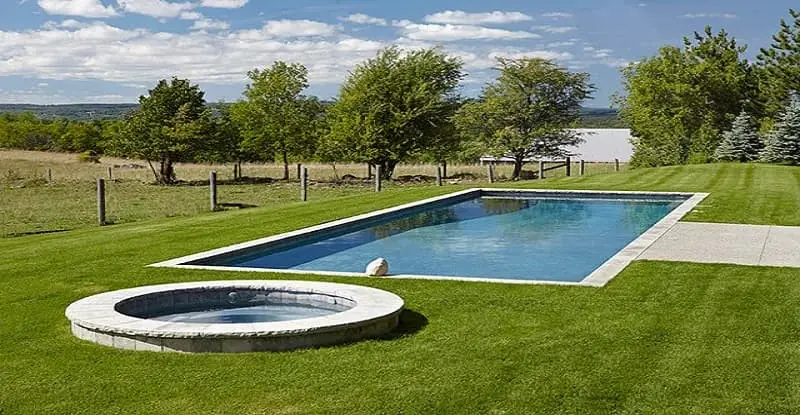
Types of agricultural ponds :
There are two main types of agricultural ponds:
- Excavated ponds: These ponds are created by digging a hole in the ground and lining it with clay or other impermeable material.
- Above-ground ponds: These ponds are constructed using prefabricated materials, such as concrete or steel.
How to build an agricultural pond :
The construction of an agricultural pond will vary depending on the size, location, and intended use of the pond. However, some general steps include:
- Site selection: Choose a location for the pond that is level and has access to a source of water.
- Design: Determine the size and depth of the pond, and design the pond’s layout.
- Excavation or construction: Excavate the pond or construct the above-ground pond.
- Lining: Line the pond with clay or other impermeable material.
- Filling: Fill the pond with water.
- Planting: Plant vegetation around the pond to help control erosion and provide habitat for wildlife.

pool insulation product specifications:
1. Physical state: three components
2. Color: gray
3. Packaging: 25 kg bags and one liter gallon
4. Product type: polymer cement base
5. Ability to mix: Yes
6. Chlorine ion: none
7. Expiry date: one year after production
8. Storage conditions: Keep away from cold and heat in a closed container
cement pool insulation
Maintaining an agricultural pond :
Agricultural ponds require regular maintenance to ensure that they function properly and provide the desired benefits. Some maintenance tasks include:
- Inspecting the pond for leaks and damage.
- Removing sediment and debris from the pond.
- Controlling aquatic vegetation.
- Monitoring water quality.
- Managing fish populations.
Benefits of agricultural ponds :
Agricultural ponds can provide a number of benefits to farmers, including:
- Reduced irrigation costs: By using stored water for irrigation, farmers can save money on water bills.
- Improved livestock health: Livestock that have access to clean, fresh water are healthier and more productive.
- Reduced soil erosion: Agricultural ponds can help to control soil erosion by trapping sediment and runoff.
- Increased biodiversity: Agricultural ponds can provide habitat for a variety of wildlife, which can help to improve the overall health of the ecosystem.
- Enhanced recreation opportunities: Agricultural ponds can be used for recreation, such as fishing, swimming, and boating, which can provide additional income for farmers.
Study proposal : click here for more information about The deepest pool in the world and Swimming pool water treatment . 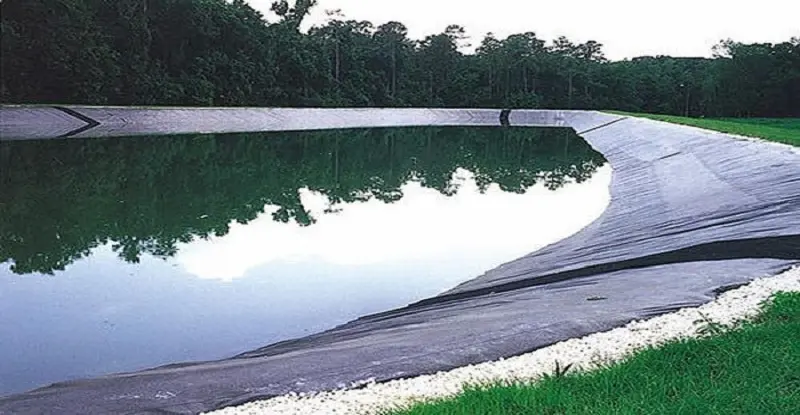
Standard Size of Agricultural Pools :
Agricultural pools, also known as irrigation ponds or reservoirs, are essential for storing water for crop irrigation. The size of an agricultural pool depends on several factors, including the type of crops being grown, the climate, and the amount of rainfall. However, there are some general guidelines that can help you determine the right size for your needs.
Factors to consider when determining the size of an agricultural pool :
- Crop type: Different crops have different water requirements. For example, rice requires more water than wheat.
- Climate: The amount of rainfall and evaporation in your area will affect how much water you need to store.
- Irrigation method: The type of irrigation system you use will also affect the size of your pool. For example, drip irrigation systems require less water than overhead sprinkler systems.
- Land availability: The amount of land you have available will also limit the size of your pool.
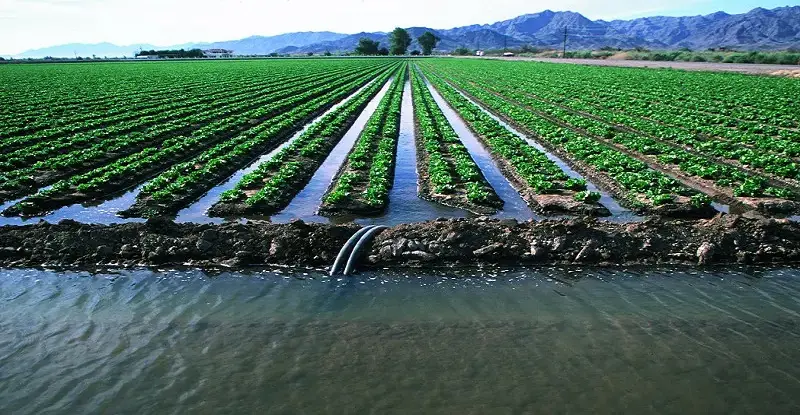
General guidelines for the size of agricultural pools :
- Small pools: Small pools are typically used for watering livestock or small gardens. They can range in size from a few hundred square feet to an acre or two.
- Medium pools: Medium pools are more common for irrigation of small to medium-sized farms. They can range in size from a few acres to 10 acres or more.
- Large pools: Large pools are typically used for irrigation of large farms or multiple farms. They can be 20 acres or more in size.
Additional considerations
- Depth: The depth of your pool will depend on the type of crops you are growing and the amount of water you need to store. In general, pools should be at least 4 feet deep.
- Shape: The shape of your pool is not as important as the size, but you may want to consider a rectangular or oval shape for ease of construction and maintenance.
- Location: The location of your pool is important to ensure that it is easy to fill and drain. You will also want to make sure that the pool is located in an area that is not prone to flooding.
Calculating the volume of an agricultural pool :
Once you have determined the length, width, and depth of your pool, you can calculate the volume in cubic feet or cubic meters. Here are the formulas:
- Cubic feet: Volume = length (ft) x width (ft) x depth (ft)
- Cubic meters: Volume = length (m) x width (m) x depth (m)
You can then convert the volume to gallons or liters by multiplying by the following conversion factors:
- Gallons: 1 cubic foot = 7.48 gallons
- Liters: 1 cubic meter = 1,000 liters
Example:
Let’s say you want to build a rectangular pool that is 100 feet long, 50 feet wide, and 5 feet deep. The volume of the pool would be:
- Cubic feet: Volume = 100 ft x 50 ft x 5 ft = 25,000 cubic feet
- Cubic meters: Volume = 30.48 m x 15.24 m x 1.52 m = 693.5 cubic meters
Converting to gallons:
- Gallons: 25,000 cubic feet x 7.48 gallons/cubic foot = 187,000 gallons
Converting to liters:
- Liters: 693.5 cubic meters x 1,000 liters/cubic meter = 693,500 liters
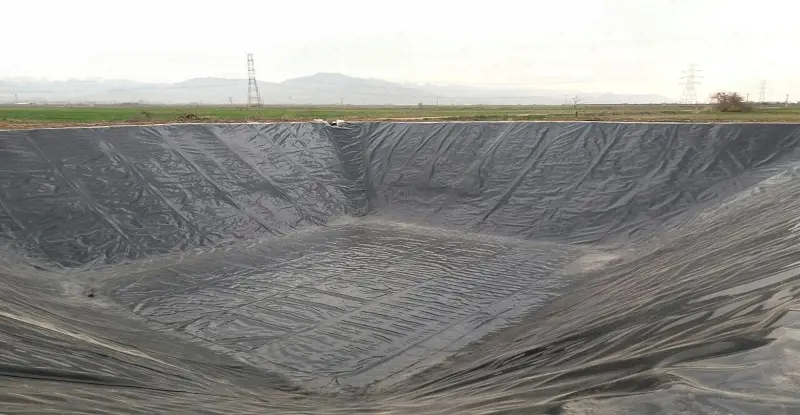
Consulting with an expert :
It is always a good idea to consult with an agricultural engineer or irrigation specialist to help you determine the right size and design for your agricultural pool. They can also help you with the permitting and construction process.
