Rank Company Country Revenue (USD billion)
1. LafargeHolcim France/Switzerland
2. CNBM China
3 .Anhui Conch Cement China
4. HeidelbergCement Germany
5. UltraTech Cement India
6. Strabag Austria
7. CRH Ireland
8. Siam Cement Thailand
9. Buzzi Unicem Italy
10. Taiheiyo Cement Japan
11 Cemex Mexico
12. Votorantim Cimentos Brazil
13 .Jinko Cement China
14 .Titan Cement Greece
15 .Dyckerhoff Germany
16 .South Cement South Korea
17 .Holcim Brasil Brazil
18 .WEBER SAINT-GOBAIN France
19 .Titan Cement International Greece
20. Saudi Cement Company Saudi Arabia
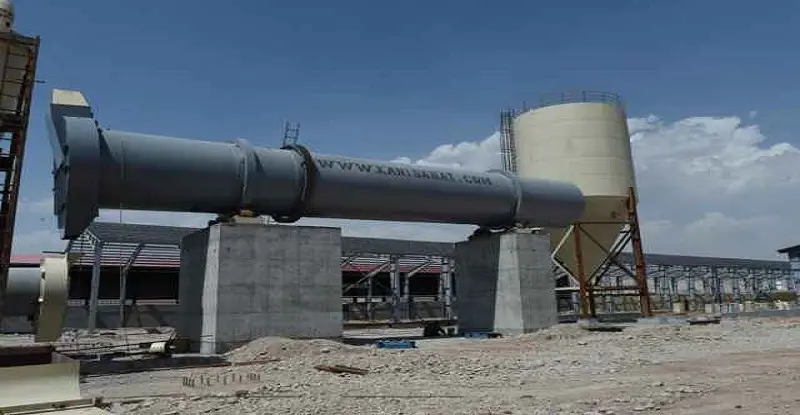
These companies produce a wide variety of cement and concrete products for use in construction, infrastructure, and other applications. They operate in over 100 countries around the world and employ millions of people.
The cement and concrete industry is a major contributor to the global economy. It is estimated that the industry produces over 4 billion tons of cement per year, which is used to make over 20 trillion cubic meters of concrete. This concrete is used to build everything from houses and roads to bridges and skyscrapers.
The cement and concrete industry is also a major source of greenhouse gas emissions. The production of cement releases carbon dioxide into the atmosphere, which contributes to climate change. The industry is working to reduce its emissions, but it remains a significant challenge.
Despite the challenges, the cement and concrete industry is expected to continue to grow in the coming years. This is due to the increasing demand for construction in developing countries and the need to repair and replace aging infrastructure in developed countries.
The cement and concrete industry is a complex and important industry that plays a vital role in the global economy. It is an industry that is facing challenges, but it is also an industry with a bright future.

1.Physical state: liquid
2.Color: light brown
3.Packaging: 20-1-4 kilo gallons
4.Product type: polymer cement base
5.pH: 0.05 ± 4
6.Specific gravity: 0.05 ± 1.05 grams per cubic centimeter
7.Mixing ability: Yes
8.Chlorine ion: No
9.Expiry date: one year after production
10.Storage conditions: Store in closed containers and protected from air
LafargeHolcim is a French-Swiss multinational building materials company that is the largest cement producer in the world. The company has operations in over 70 countries and employs over 80,000 people.
LafargeHolcim company logo
CNBM is a Chinese state-owned enterprise that is the second largest cement producer in the world. The company has operations in over 20 countries and employs over 200,000 people.
CNBM company logo
Anhui Conch Cement is a Chinese company that is the third largest cement producer in the world. The company has operations in over 20 countries and employs over 50,000 people.
Anhui Conch Cement company logo
HeidelbergCement is a German multinational building materials company that is the fourth largest cement producer in the world. The company has operations in over 50 countries and employs over 50,000 people.
HeidelbergCement company logo
UltraTech Cement is an Indian company that is the fifth largest cement producer in the world. The company has operations in over 10 countries and employs over 20,000 people.
UltraTech Cement company logo
These are just a few of the many companies that are involved in the cement and concrete industry. The industry is a global one, and it is constantly evolving. As the world continues to develop, the demand for cement and concrete is only going to grow.
Suggested reading: To learn more about concrete curing And Bolt planting glue click.
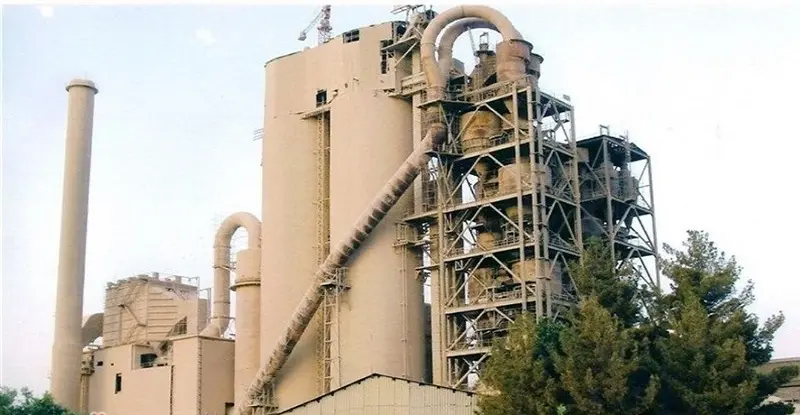
The cement industry is a global industry with a wide range of players. The top 20 cement producers in the world are all large multinational companies with operations in multiple countries. These companies produce a wide variety of cement products for use in construction, infrastructure, and other applications.
The cement industry is a complex and challenging industry, but it is also an essential industry. Cement is a key ingredient in concrete, which is the most widely used construction material in the world. Concrete is used to build a wide variety of structures, including buildings, bridges, and roads.
The demand for cement is expected to continue to grow in the coming years, driven by population growth and urbanization. This will create opportunities for cement producers that are able to innovate and adapt to changing market conditions.
The cement industry is a complex and dynamic industry that is facing a number of challenges and opportunities. The companies that are able to adapt to these changes will be well-positioned for success in the future.

Investing in cement companies can be a risky proposition, but it can also be a rewarding one. The cement industry is a global industry with a long history of growth, and it is expected to continue to grow in the coming years. However, investors should carefully consider the risks involved before investing in any cement company.
