A comprehensive history of concrete formwork :
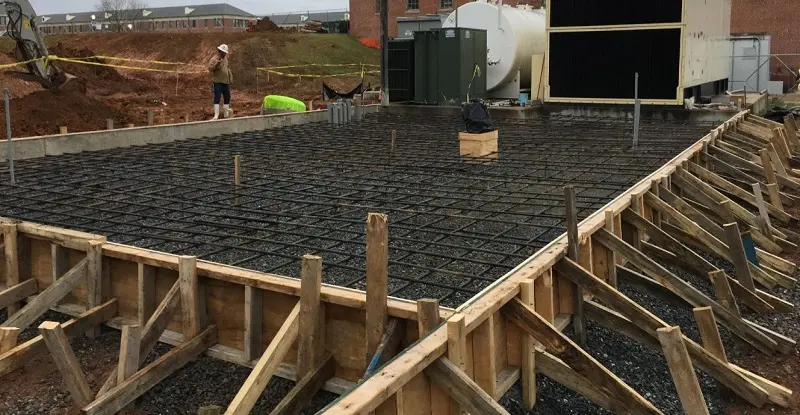
Concrete formwork is the temporary structure or mold into which concrete is poured and allowed to harden. It is essential for shaping and supporting the concrete while it cures. Formwork can be made from a variety of materials, including wood, steel, aluminum, and plastic.
Early history of concrete formwork :
The earliest known use of concrete formwork dates back to ancient civilizations. The Egyptians used wooden formwork to construct pyramids and temples, while the Romans used concrete formwork to build aqueducts, bridges, and other structures.
Medieval and Renaissance formwork :
During the Middle Ages and Renaissance, concrete formwork was made primarily from wood. Wooden formwork was labor-intensive to construct, but it was relatively inexpensive and versatile.
Industrial Revolution formwork :
The Industrial Revolution brought about the development of new materials and techniques for concrete formwork. Steel formwork became increasingly popular in the late 19th and early 20th centuries, as it was more durable and reusable than wooden formwork.
Modern formwork :
Today, concrete formwork is made from a variety of materials, including wood, steel, aluminum, and plastic. Each material has its own advantages and disadvantages.
- Wood formwork: Wood formwork is still a popular choice for small projects and for curved or complex shapes. However, it is not as durable as steel or aluminum formwork and it requires more maintenance.
- Steel formwork: Steel formwork is the most durable and reusable type of formwork. It is ideal for large projects and for straight or simple shapes. However, it is also the most expensive type of formwork.
- Aluminum formwork: Aluminum formwork is a lightweight and corrosion-resistant alternative to steel formwork. It is a good choice for projects where weight is a concern.
- Plastic formwork: Plastic formwork is a relatively new type of formwork that is becoming increasingly popular. It is lightweight, durable, and easy to use. However, it is not as strong as steel or aluminum formwork.
The future of concrete formwork :
The future of concrete formwork is likely to see the development of new materials and techniques that make formwork even more efficient and cost-effective. For example, researchers are developing self-healing concrete that can repair itself if it cracks, and they are also developing 3D printing techniques that can be used to create complex concrete forms.
Concrete formwork:
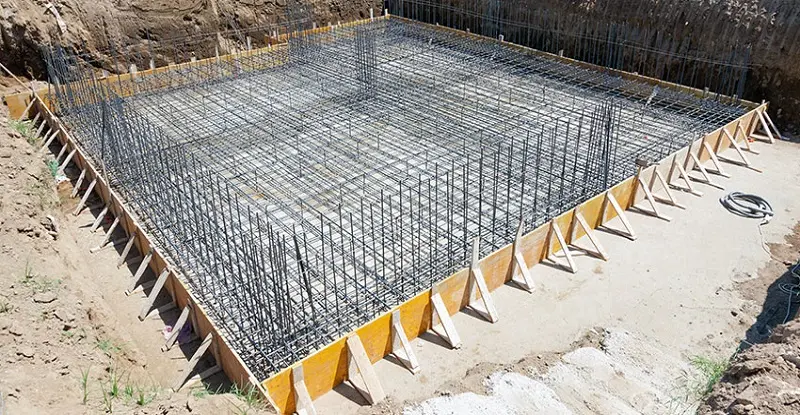
Formwork is the temporary structure that is used to support and shape concrete while it is curing. It is typically made of wood, metal, or plastic, and it must be strong enough to withstand the weight of the wet concrete. Formwork is an essential part of the concrete construction process, and it must be carefully designed and constructed to ensure that the finished concrete structure is of the correct shape, size, and strength.
Suggested reading: To learn more about The most modern concrete buildings around And steel structure click.
Types of formwork :
There are two main types of formwork:
- Job-built formwork: Job-built formwork is constructed on site for a specific project. It is typically made of wood or plywood, and it is often used for small or complex projects.
- Precast formwork: Precast formwork is manufactured off site and then transported to the job site. It is typically made of metal or plastic, and it is often used for large or repetitive projects.
Formwork design :
The design of formwork is a complex process that must take into account a number of factors, including:
- The shape and size of the concrete structure
- The weight of the wet concrete
- The loads that the concrete structure will bear
- The desired surface finish of the concrete
Formwork engineers use a variety of tools and techniques to design formwork, including:
- Computer-aided design (CAD) software
- Finite element analysis (FEA)
- Engineering experience and judgment
Formwork construction :
The construction of formwork is a skilled trade that requires a high level of precision and attention to detail. Formworkers must be able to read and interpret blueprints, and they must have a good understanding of the principles of concrete construction.
The basic steps in formwork construction are as follows:
- Lay out the formwork: The formwork is first laid out on the ground or on a platform. The formwork must be carefully leveled and aligned to ensure that the finished concrete structure is straight and true.
- Erect the formwork: The formwork is then erected using a variety of methods, such as nailing, screwing, or welding. The formwork must be securely fastened to prevent it from moving or collapsing during the concrete pouring process.
- Install bracing and supports: Bracing and supports are installed to prevent the formwork from bowing or collapsing under the weight of the wet concrete. The bracing and supports must be designed to withstand the maximum loads that will be applied during the concrete pouring process.
- Install reinforcement: Reinforcement, such as steel bars or wire mesh, is installed in the formwork to provide strength and support for the concrete. The reinforcement must be positioned and anchored according to the project specifications.
- Install concrete release agents: Concrete release agents are applied to the formwork to prevent the concrete from sticking to it. This will make it easier to remove the formwork once the concrete has cured.
- Pour the concrete: The concrete is then poured into the formwork. The concrete must be poured carefully and evenly to prevent voids or honeycombing.
- Cure the concrete: The concrete is then allowed to cure. The curing process can take several days or weeks, depending on the size and type of concrete structure.
- Remove the formwork: Once the concrete has cured, the formwork is carefully removed. The formwork must be removed without damaging the concrete.

Formwork safety :
Formwork construction can be a dangerous job. Formworkers must be aware of the following safety hazards:
- Falling objects: Formworkers are at risk of being struck by falling objects, such as tools, materials, and debris.
- Trips, slips, and falls: Formworkers are also at risk of trips, slips, and falls. This can happen due to uneven surfaces, loose materials, and poor housekeeping.
- Electrical hazards: Formworkers are also at risk of electrical hazards. This can happen if they come into contact with live wires or if they use electrical equipment that is not properly grounded.
- Respiratory hazards: Formworkers may also be exposed to respiratory hazards, such as dust and fumes. This can happen if they work in dusty or poorly ventilated areas.
Formworkers must take steps to protect themselves from these hazards by wearing appropriate personal protective equipment (PPE) and by following safe work practices.
Conclusion :
Formwork is an essential part of the concrete construction process. It must be carefully designed and constructed to ensure that the finished concrete structure is of the correct shape, size, and strength. Formwork construction can be a dangerous job, so formworkers must take steps to protect themselves from hazards.
