Painting Tiles and Ceramics:
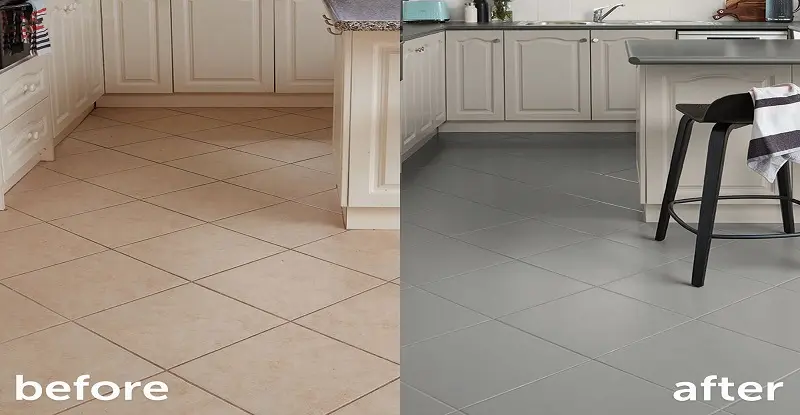
Tiles and ceramics are common fixtures in homes, adding a touch of elegance and durability to walls, floors, and backsplashes. However, over time, these surfaces can become dull, chipped, or outdated. Instead of replacing them entirely, a cost-effective and creative solution is to paint them.
Painting tiles and ceramics can breathe new life into your living spaces, allowing you to customize them to your unique style and preferences. While the process may seem daunting at first, with proper preparation, technique, and the right materials, you can achieve a professional-looking finish that enhances the overall aesthetic of your home.
Determining Suitability for Painting :
Before embarking on your painting journey, it’s crucial to assess whether your tiles and ceramics are suitable for painting. Some factors to consider include:
- Glazed or Unglazed: Glazed surfaces provide a smooth, non-porous finish that adheres well to paint. Unglazed tiles, on the other hand, are more porous and may require a special primer to ensure proper paint adhesion.
- Condition: Inspect the tiles for cracks, chips, or loose grouting. These imperfections should be repaired prior to painting to prevent paint from peeling or flaking.
- Location: Areas with high moisture or heavy traffic, such as shower floors and kitchen countertops, may require specialized paints or sealants to withstand wear and tear.

: Technical specifications of the paste tile adhesive product
- Physical state: pasty
- color : white
- Chlorine ion: No
- Mixing ability: Yes
- pH: 7
- Storage conditions: away from cold and heat in a closed bucket
Paste tile glue
Gathering the Necessary Supplies :
Once you’ve determined the suitability of your tiles, gather the necessary supplies to ensure a smooth and successful painting process:
- Cleaning Supplies: Degreaser, mild detergent, sponges, and lint-free cloths are essential for thoroughly cleaning the tiles.
- Sandpaper: Light sandpaper (100-120 grit) will help roughen the surface for better paint adhesion.
- Primer: Choose a high-quality primer specifically designed for tiles and ceramics.
- Paint: Select a durable, moisture-resistant paint suitable for your desired finish (e.g., eggshell, semi-gloss, or high-gloss).
- Painting Tools: Brushes, rollers, and paint trays will be needed for applying the primer and paint.
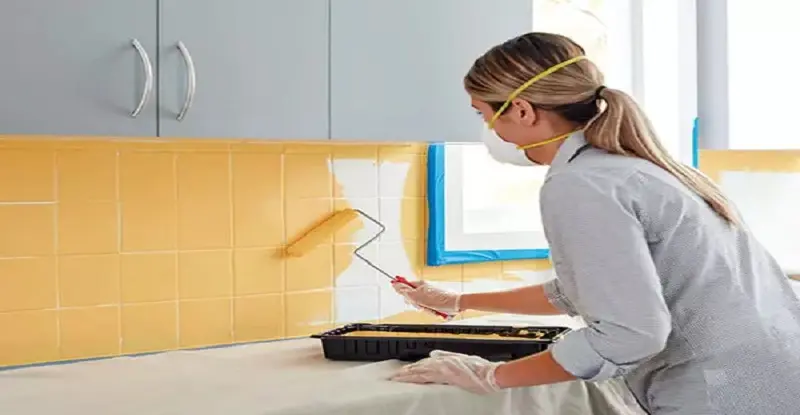
- Protective Gear: Wear gloves, a mask, and safety glasses to protect yourself from fumes and paint splatters.
Preparing the Tiles for Painting :
Proper preparation is key to achieving a flawless paint finish:
- Clean the Surface: Thoroughly clean the tiles with degreaser and mild detergent to remove any grease, dirt, or grime. Allow the tiles to dry completely.
- Repair Imperfections: Fill in any cracks or chips with a suitable tile repair compound and let it dry according to the manufacturer’s instructions.
- Sand the Surface: Lightly sand the tiles with sandpaper to create a slightly rough surface for better paint adhesion. Wipe away any dust with a damp cloth.
- Apply Primer: Apply a coat of primer using a brush or roller, ensuring even coverage. Allow the primer to dry completely as per the instructions.
Study proposal : click here for more information about Innovative technologies in the ceramic tile and Epoxy Adhesive .
Painting Techniques :
Now comes the fun part: applying the paint!
- Choose the Right Brush or Roller: For smooth, even application, use a high-quality roller for large areas and a brush for corners and intricate details.
- Thin the Paint: If the paint seems thick, thin it slightly with water according to the manufacturer’s recommendations. This will improve the flow and coverage of the paint.
- Apply Thin Coats: Apply multiple thin coats of paint rather than one thick layer. This prevents drips and sagging, and allows each coat to dry properly.
- Allow Drying Time: After each coat, let the paint dry completely as per the manufacturer’s instructions. This ensures proper adhesion and prevents the paint from peeling off.
Sealing the Painted Surface :
Once the final coat of paint has dried completely, apply a sealant to protect the painted surface and enhance its durability:
- Choose a Sealer: Select a high-quality sealer specifically designed for painted tiles and ceramics.
- Apply the Sealer: Apply the sealer using a brush or roller, ensuring even coverage. Allow the sealer to dry completely according to the manufacturer’s instructions.
Additional Tips for Success :
- Work in a Well-Ventilated Area: Ensure adequate ventilation to avoid inhaling paint fumes.
- Protect Surrounding Areas: Cover nearby surfaces with plastic sheeting or drop cloths to prevent paint splatters.
- Clean Up Spills Immediately: Wipe up any paint spills promptly to prevent staining.
- Allow Sufficient Drying Time: Be patient and allow ample drying time between coats and after applying the sealer.
Should you paint your tiles?
Painting tiles is a popular DIY project that can be a great way to update your home without spending a lot of money. However, there are a few things you should consider before you start painting your tiles.
Pros:
- Cost-effective: Painting your tiles is much cheaper than replacing them.
- Easy to do: With a little preparation, painting your tiles is a relatively easy DIY project.
- Can be customized: You can paint your tiles any color you want, which can help you create a unique look for your home.
- Can hide damage: Painting your tiles can help to hide minor damage, such as cracks or chips.
Cons:
- Not as durable as new tiles: Painted tiles are not as durable as new tiles and may chip or peel over time.
- Requires proper preparation: The surface of the tiles must be properly prepared before they can be painted, which can be time-consuming.
- May not be suitable for all tiles: Not all types of tiles can be painted. Some tiles, such as ceramic tiles, are more difficult to paint than others.
- Can be difficult to clean: Painted tiles can be more difficult to clean than new tiles, as the paint can be more easily scratched or damaged by harsh cleaning products.
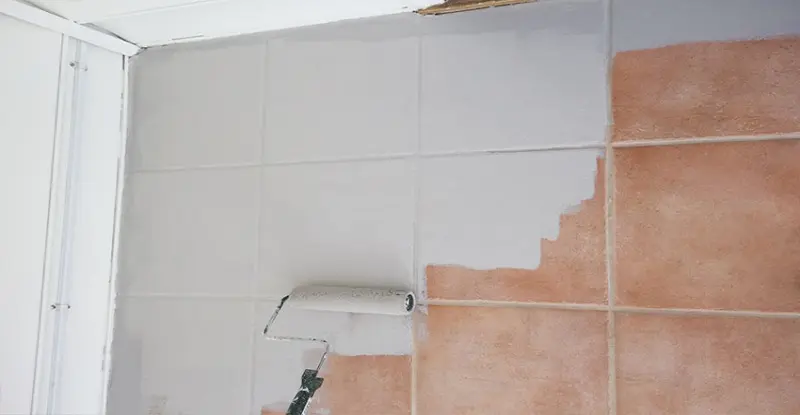
Here are some additional things to keep in mind if you are considering painting your tiles:
- The type of paint you use: It is important to use a paint that is specifically designed for use on tiles.
- The preparation of the surface: The surface of the tiles must be clean, dry, and free of any debris before you start painting.
- The application of the paint: Apply the paint in thin, even coats.
- The sealing of the paint: Once the paint is dry, you will need to seal it with a clear sealant to protect it.
Overall, painting your tiles can be a great way to update your home on a budget. However, it is important to weigh the pros and cons carefully before you start the project. If you are not comfortable doing the project yourself, you can always hire a professional.
Enjoy Your Refreshed Tiles and Ceramics :
With careful preparation, the right technique, and quality materials, you can successfully paint your tiles and ceramics, transforming your living spaces and adding a touch of personalized style. Remember to take
