The ceramic tile industry is constantly evolving, with new technologies being developed all the time. These innovations are leading to the creation of tiles that are more durable, stylish, and sustainable than ever before.
Some of the most innovative technologies in the ceramic tile industry include:
Digital ceramic tile printing is a revolutionary technology that has transformed the way tiles are designed and manufactured. Unlike traditional methods that use screen printing or decals, digital printing allows for the creation of high-resolution, photorealistic images and intricate patterns directly onto ceramic tiles. This opens up a world of possibilities for designers and homeowners, enabling the creation of truly unique and personalized tile designs.
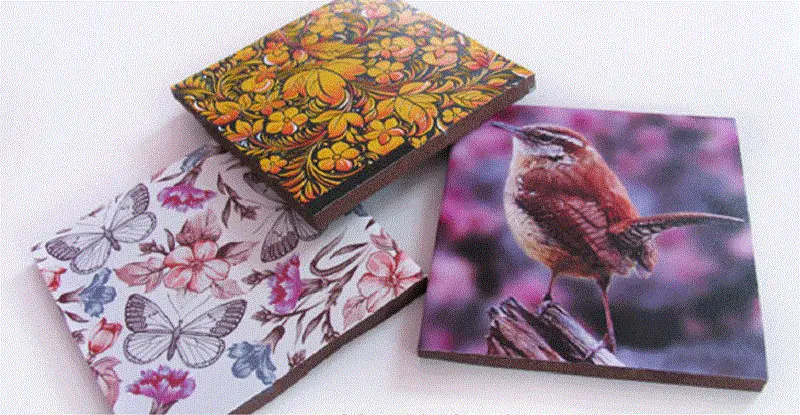
Digital ceramic tile printing utilizes inkjet printing technology to deposit tiny droplets of ink onto the surface of a tile. The ink is specially formulated to adhere to the ceramic substrate and withstand the high temperatures of the firing process. Once the design is printed, the tiles are fired in a kiln at temperatures ranging from 1,400 to 2,400 degrees Fahrenheit. This intense heat fuses the ink with the tile, creating a permanent and durable design.

Digital ceramic tile printing offers several significant advantages over traditional tile printing methods:
Digital ceramic tile printing is used in a wide variety of applications, including:
Study proposal : click here for more information about what is tilework ? and Painting Tiles and Ceramics
Digital ceramic tile printing technology is constantly evolving, with advancements in ink formulations, printing resolution, and overall efficiency. As the technology continues to mature, we can expect to see even more innovative and creative applications for digital printed tiles in the years to come.
Nanotechnology has revolutionized the field of material science, leading to the development of innovative materials with enhanced properties. Ceramic tiles, a common construction material, have also benefited from this technological advancement. The incorporation of nanoparticles into ceramic tiles has resulted in tiles with improved mechanical properties, enhanced aesthetics, and self-cleaning abilities.
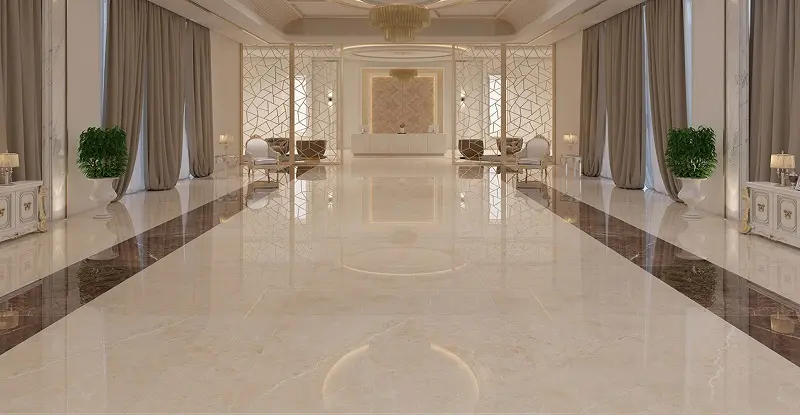
Nanoparticles, with their dimensions ranging from 1 to 100 nanometers, exhibit unique properties that differ significantly from those of bulk materials. When incorporated into ceramic tiles, nanoparticles can modify the material’s microstructure, leading to a range of desirable characteristics.
The addition of nanoparticles, such as zirconia and alumina, can significantly enhance the mechanical properties of ceramic tiles. These nanoparticles act as reinforcing agents, increasing the tile’s hardness, strength, and fracture toughness. This makes ceramic tiles with nanoparticles more resistant to cracking, chipping, and wear and tear, extending their lifespan and reducing maintenance costs.
Nanoparticles can also be used to manipulate the optical properties of ceramic tiles, leading to enhanced aesthetics. For instance, the incorporation of titanium dioxide nanoparticles can impart self-cleaning properties to the tiles. These nanoparticles act as photocatalysts, breaking down organic matter and pollutants when exposed to ultraviolet light. This results in cleaner, more hygienic tiles that require less frequent cleaning.
In addition to self-cleaning properties, nanoparticles can also impart antibacterial properties to ceramic tiles. Silver nanoparticles, for example, exhibit strong antibacterial activity due to their ability to disrupt the cell membranes of bacteria. This makes ceramic tiles with silver nanoparticles suitable for applications in healthcare settings and areas with high hygiene requirements.
The use of nanotechnology in ceramic tiles can also lead to environmental benefits. By enhancing the durability and lifespan of ceramic tiles, the need for frequent replacements is reduced, minimizing waste generation and resource consumption. Additionally, self-cleaning tiles can reduce the need for harsh cleaning chemicals, protecting the environment from potential pollutants.
Despite the promising advancements in nanotechnology-enabled ceramic tiles, there are some challenges that need to be addressed. One concern is the potential health and environmental impacts of nanoparticles, particularly during their production and disposal. Further research is needed to ensure the safe and responsible use of nanoparticles in these materials.
Looking towards the future, nanotechnology is expected to play an even more significant role in the development of advanced ceramic tiles. With continued research and innovation, we can expect to see ceramic tiles with even more enhanced properties, improved aesthetics, and expanded applications, making them a truly versatile and sustainable material for construction and interior design.
3D printing is a new technology that is being used to create ceramic tiles with complex shapes and textures. This technology has the potential to revolutionize the tile industry, as it will allow manufacturers to create tiles that were never before possible.

The ceramic tile industry is also becoming more sustainable, with manufacturers developing new ways to reduce their environmental impact. For example, some manufacturers are using recycled materials to make tiles, and others are using energy-efficient manufacturing processes.
These are just a few of the many innovative technologies that are being used in the ceramic tile industry. As these technologies continue to develop, we can expect to see even more amazing tiles in the years to come.
In addition to the technologies listed above, there are a number of other innovative trends that are shaping the future of the ceramic tile industry. These trends include:
The future of the ceramic tile industry is bright, and these innovative technologies and trends are sure to lead to the development of even more amazing tiles in the years to come.
I hope this article has been helpful. Please let me know if you have any other questions.
