Grouting:
Grouting is the process of injecting a fluid material, called grout, into voids, cracks, or fractures in various construction materials such as concrete, masonry, or rock. Grout is typically a mixture of cement, sand, water, and sometimes other additives. It is used to fill and seal gaps, strengthen structures, and improve water resistance.

Types of grouting :
There are two main types of grouting:
Cement-based grouting:
This is the most common type of grouting and is made from a mixture of cement, sand, water, and sometimes other additives. Cement-based grout is used for a variety of applications, including filling cracks in concrete, sealing joints in masonry, and stabilizing soil.
Chemical grouting:
This type of grouting uses a chemical resin instead of cement. Chemical grout is typically used for more specialized applications, such as waterproofing joints in tunnels and underground structures.
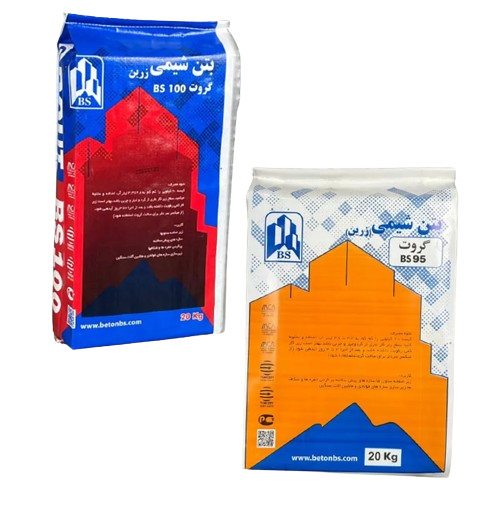
:Technical specifications of Grout BS100 product
- Physical state: powder
- color : gray
- Packaging: 20 kg bags
- Expiry date: one year after production
- Mixing ability: Yes
- Chlorine ion: No
- Storage conditions: away from cold and heat in a sealed bag
- Net weight: 2000 kg/m3
BS100 price and purchase price
Types of grout for grouting:
Grout is a crucial component of tile installation, filling the gaps between tiles and creating a seamless, watertight surface. Choosing the right type of grout is essential for ensuring the longevity and aesthetic appeal of your tiled area. Here’s a comprehensive guide to the different types of grout available:
Cementitious Grout: The Traditional Choice
Cementitious grout, also known as Portland cement grout, is the most common and traditional type of grout. It’s made from a blend of cement, sand, water, and additives, resulting in a durable, affordable, and versatile grout option.
Advantages of Cementitious Grout:
- Affordability: Cementitious grout is generally the most cost-effective grout option.
- Durability: It’s known for its strength and resistance to wear and tear, making it suitable for high-traffic areas.
- Versatility: Cementitious grout can be used with a wide variety of tile types, including ceramic, porcelain, and stone tiles.
Disadvantages of Cementitious Grout:
- Porosity: Cementitious grout can be porous, making it more susceptible to staining and moisture penetration.
- Maintenance: It requires regular sealing to maintain its water resistance and prevent staining.
- Color Consistency: Achieving consistent color across a large area can be challenging.
Suggested reading: To learn more about Flexural strength of concrete And Underwater concreting click.
Epoxy Grout: A High-Performance Option
Epoxy grout is a two-part system consisting of an epoxy resin and a hardener. It offers superior performance compared to cementitious grout, making it a popular choice for demanding applications.
Advantages of Epoxy Grout:
- Superior Water Resistance: Epoxy grout is highly resistant to water penetration, making it ideal for wet areas like bathrooms and kitchens.
- Stain Resistance: It’s exceptionally resistant to staining, even from harsh chemicals and cleaning agents.
- Durability and Strength: Epoxy grout is incredibly durable and can withstand heavy traffic and wear.
Disadvantages of Epoxy Grout:
- Cost: Epoxy grout is generally more expensive than cementitious grout.
- Installation Difficulty: Mixing and applying epoxy grout can be more challenging and time-consuming.
- Limited Color Options: Epoxy grout typically has a more limited range of color options compared to cementitious grout.
Furan Grout: Chemical-Resistant and Durable
Furan grout is a specialized type of grout known for its exceptional chemical resistance and durability. It’s often used in industrial and commercial settings where exposure to harsh chemicals is a concern.
Advantages of Furan Grout:
- Superior Chemical Resistance: Furan grout is highly resistant to a wide range of chemicals, including acids, solvents, and oils.
- Durability and Strength: It’s incredibly durable and can withstand extreme conditions and heavy traffic.
Disadvantages of Furan Grout:
- Cost: Furan grout is the most expensive grout option, significantly more costly than cementitious and epoxy grout.
- Installation Difficulty: Mixing and applying furan grout requires specialized skills and equipment.
- Health Concerns: Furan grout emits strong fumes during installation, necessitating proper ventilation and safety precautions.
Urethane Grout: Flexible and Crack-Resistant
Urethane grout, also known as polyurethane grout, is a type of single-component grout that offers flexibility and crack resistance. It’s often used in areas prone to movement or vibration.
Advantages of Urethane Grout:
- Flexibility: Urethane grout is more flexible than cementitious and epoxy grout, making it suitable for areas prone to movement or expansion.
- Crack Resistance: It’s less susceptible to cracking due to its flexibility, ideal for areas with temperature fluctuations or structural movement.
- Single-Component: Urethane grout is a single-component system, eliminating the mixing process of two-part grouts.
Disadvantages of Urethane Grout:
- Adhesion Concerns: Urethane grout may not adhere as well to certain tile types compared to cementitious or epoxy grout.
- Moisture Sensitivity: It can be more sensitive to moisture exposure, requiring proper sealing and maintenance.
- Color Options: Urethane grout typically has a more limited range of color options compared to cementitious grout.
Applications of grouting :
Grouting is used in a wide variety of construction applications, including:
- Filling cracks in concrete: Grouting can be used to fill cracks in concrete slabs, walls, and beams. This helps to prevent the cracks from widening and causing further damage to the structure.
- Sealing joints in masonry: Grouting can be used to seal joints between bricks, blocks, and other masonry units. This helps to prevent water from penetrating the structure and causing damage.
- Stabilizing soil: Grouting can be used to stabilize soil that is loose or unstable. This is often done before construction of a foundation or other load-bearing structure.
- Waterproofing: Grouting can be used to waterproof joints, cracks, and other openings in structures. This helps to prevent water from penetrating the structure and causing damage.

Benefits of grouting :
Grouting offers a number of benefits, including:
- Strengthens structures: Grouting fills and seals gaps in structures, which helps to strengthen them and make them more resistant to cracking and failure.
- Improves water resistance: Grouting can help to prevent water from penetrating structures, which can cause damage to the structure and the materials inside it.
- Protects against corrosion: Grouting can help to protect steel reinforcement in concrete structures from corrosion.
- Extends the life of structures: By strengthening structures and improving their water resistance, grouting can help to extend the life of structures.
Grouting process :
The grouting process typically involves the following steps:
- Preparation: The surface to be grouted must be clean, dry, and free of debris. Any loose material should be removed, and cracks or joints should be opened up to allow the grout to flow in.
- Mixing grout: The grout is mixed according to the manufacturer’s instructions. The consistency of the grout will depend on the application. For example, grout that is used to fill cracks will be thicker than grout that is used to seal joints.
- Grout placement: The grout is placed into the cracks, joints, or voids using a grout pump or injection gun. The grout should be placed completely and evenly.
- Curing: The grout is allowed to cure for a period of time, typically 24 to 48 hours. During this time, the grout will harden and gain strength.
Safety precautions :
When working with grout, it is important to take the following safety precautions:
- Wear gloves, safety glasses, and a dust mask.
- Work in a well-ventilated area.
- Avoid contact with skin and eyes.
- Follow the manufacturer’s safety instructions.
Conclusion :
Grouting is an important process that can be used to improve the strength, water resistance, and durability of structures. It is a versatile process that can be used in a variety of applications. When using grout, it is important to follow the manufacturer’s instructions and take the necessary safety precautions.
