Tilework is the art of using tiles to create decorative or functional surfaces. Tiles are typically made from ceramic, stone, or glass, and they can be used to cover floors, walls, ceilings, and even furniture. Tilework has been used for centuries in a variety of cultures around the world, and it continues to be a popular choice for both residential and commercial applications.
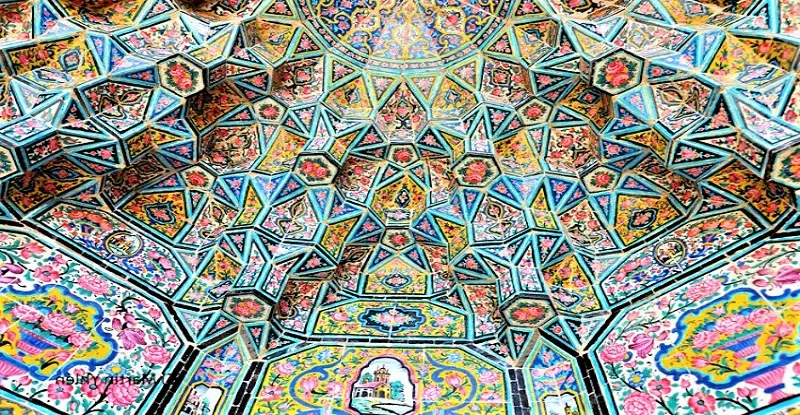
The earliest known examples of tilework date back to the 3rd millennium BC, and they were found in Mesopotamia. These early tiles were typically made from clay and were decorated with simple geometric patterns. Tilework became increasingly popular in the ancient world, and it was used in a variety of settings, including palaces, temples, and homes.
The Romans were particularly skilled at tilework, and they developed a number of new techniques, such as the use of tesserae (small cubes of tile) to create mosaics. Roman tilework was often used to depict scenes from mythology or history.
After the fall of the Roman Empire, tilework continued to be used in the Mediterranean region, and it was also adopted by other cultures, such as the Chinese and the Persians. Islamic tilework is particularly renowned for its intricate geometric patterns and its use of vibrant colors.
In the 19th and 20th centuries, tilework became increasingly popular in Europe and North America. This was due in part to the development of new manufacturing techniques that made tiles more affordable and easier to produce. Tilework was often used in Victorian and Art Deco homes, and it was also used in public buildings, such as schools and hospitals.
Today, tilework is still a popular choice for a variety of applications. It is a durable, versatile, and easy-to-clean material that can be used to create a variety of looks.

Tilework, with its intricate designs, vibrant colors, and enduring beauty, has been an integral part of Iranian architecture and artistic heritage for centuries. From the grand mosques and palaces of ancient Persia to the intimate courtyards of traditional homes, these exquisite tiles have adorned Iranian structures, transforming them into stunning masterpieces. This essay delves into the rich history of Iranian tilework, exploring its evolution, techniques, and the profound cultural significance it holds.

The roots of Iranian tilework can be traced back to the pre-Islamic era, with evidence of glazed tiles unearthed from archaeological sites dating back to the 5th millennium BCE. During the Achaemenid period (550-330 BCE), tilework gained prominence, adorning palaces like Persepolis with intricate geometric patterns and stylized depictions of animals and mythical creatures.
The advent of Islam in the 7th century CE marked a turning point in Iranian tilework. Inspired by Islamic artistic traditions and infused with Persian craftsmanship, tilework flourished, reaching new heights of sophistication and artistry. Mosques, mausoleums, and other religious structures became the primary canvases for these exquisite creations.
Study proposal : click here for more information about Blocking method and blocking devices and Innovative technologies in the ceramic tile .
There are many different types of tilework, but some of the most common include:
Tilework can be used in a variety of applications, including:
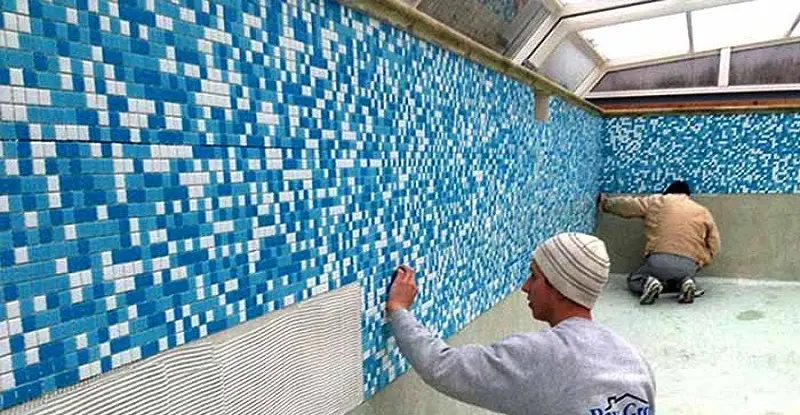
There are many benefits to using tilework, including:
