Introduction :
In the realm of construction, concrete grout stands as an unsung hero, silently playing a crucial role in the integrity and durability of structures. This versatile material, composed of cement, sand, water, and often chemical admixtures, fills the voids and gaps between concrete elements, transforming them into a cohesive and robust whole.
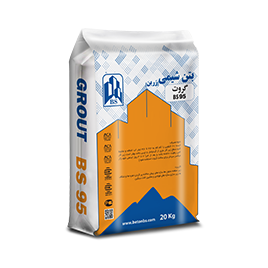
Types of Concrete Grout:
Concrete grout comes in various forms, each tailored to specific applications:
1. Cement-Based Grout:
Description: The most common and economical type, cement-based grout is widely used for filling joints in masonry walls, concrete slabs, and precast concrete panels.
Benefits:
-
- Cost-effective: Cement-based grout is the most affordable option, making it a budget-friendly choice for large-scale projects.
- Readily available: Easily accessible at most hardware stores and construction material suppliers.
- Easy to use: The mixing and application process is relatively straightforward, suitable for DIY projects.
- Strong and durable: When mixed and cured properly, cement-based grout provides a solid and long-lasting filler for concrete joints.
Drawbacks:
-
- Susceptible to staining: Cement-based grout can be prone to staining from dirt, grease, and some chemicals. Sealing after curing is highly recommended.
- Prone to cracking: Can be more susceptible to cracking compared to some other grout types, especially if not mixed or applied correctly.
- Limited flexibility: Less flexible than some grout options like epoxy grout, which might be a concern for applications with potential for movement.
2. Epoxy Grout:
Description: A two-part system consisting of a resin base and a hardener, epoxy grout offers exceptional strength, durability, and chemical resistance.
Benefits:
-
- Superior strength and durability: Epoxy grout is significantly stronger and more durable than cement-based grout, making it ideal for high-traffic areas, industrial applications, and environments exposed to harsh chemicals.
- Excellent chemical resistance: Epoxy grout is highly resistant to a wide range of chemicals, including acids, alkalis, solvents, and oils, making it suitable for use in laboratories, chemical plants, and other chemically demanding environments.
- Low maintenance: Epoxy grout is non-porous and easy to clean, requiring minimal maintenance compared to cement-based grout.
Drawbacks:
-
- Higher cost: Epoxy grout is generally more expensive than cement-based grout.
- More complex mixing and application: The two-part epoxy system requires careful mixing and precise application techniques, which might be challenging for DIY enthusiasts.
- Limited flexibility: Epoxy grout is less flexible than cement-based grout, so it might not be suitable for applications with potential for movement.
Suggested reading: To learn more about concrete superlubricator And spacer click.
3. Non-Shrink Grout:
Description: Specially formulated to minimize shrinkage during curing, non-shrink grout is designed to maintain its volume and prevent cracking, particularly in critical applications.
Benefits:
-
- Reduced shrinkage and cracking: Non-shrink grout minimizes shrinkage and cracking, making it ideal for applications where maintaining structural integrity is crucial.
- High strength and durability: Non-shrink grout offers high strength and durability, comparable to epoxy grout.
- Versatile applications: Suitable for a wide range of applications, including anchoring bolts, filling joints in precast concrete panels, and grouting machinery bases.
Drawbacks:
-
- Higher cost: Non-shrink grout is generally more expensive than cement-based grout.
- More complex mixing and application: The mixing and application process might require specialized tools and techniques.
4. Latex-Modified Grout:
Description: Incorporating latex additives, latex-modified grout enhances flexibility, water resistance, and adhesion properties.
Benefits:
-
- Improved flexibility: Latex-modified grout is more flexible than cement-based grout, making it suitable for applications with potential for movement, such as expansion joints and radiant heat floors.
- Enhanced water resistance: Latex-modified grout offers better water resistance than cement-based grout, reducing the risk of water penetration and efflorescence.
- Stronger bond: Latex additives improve the adhesion properties of the grout, creating a stronger bond between the grout and the concrete surfaces.
Drawbacks:
-
- Slightly higher cost: Latex-modified grout is slightly more expensive than standard cement-based grout.
- Potential discoloration: Latex additives might cause slight discoloration of the grout over time, especially when exposed to direct sunlight.
5. High-Strength Grout:
Description: Formulated with high-performance cement and admixtures, high-strength grout is designed to withstand exceptional loads and stresses.
Benefits:
-
- Exceptional strength: High-strength grout exceeds the compressive strength
Applications of Concrete Grout:
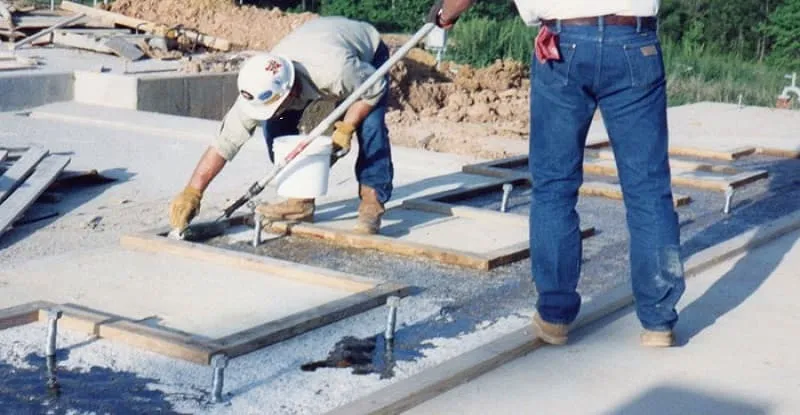
Concrete grout finds its place in a wide range of construction projects:
Filling Mortar Joints in Walls: Strengthens the bond between bricks or blocks, enhancing the overall stability of walls.
Joining Precast Concrete Panels: Creates a seamless and unified surface in structures assembled using precast concrete elements.
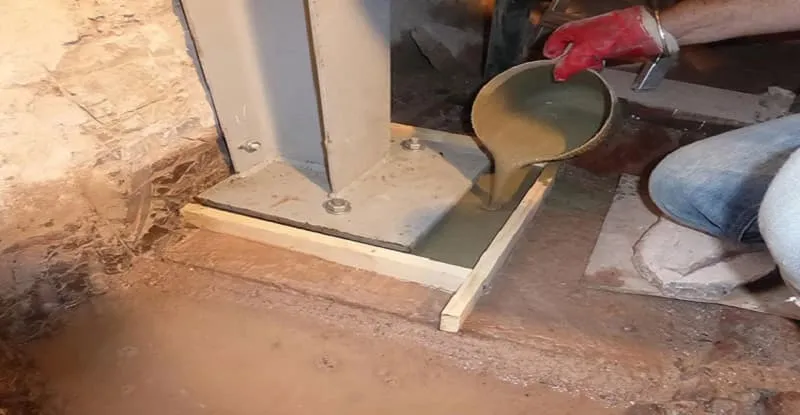
Anchoring Bolts and Reinforcing Bars: Provides a firm and durable connection between these elements and the surrounding concrete.
Repairing and Restoring Concrete Structures: Fills cracks, spalls, and other defects, restoring the strength and functionality of concrete structures.
Benefits of Using Concrete Grout:
Enhanced Structural Strength and Integrity:
By filling voids and creating strong bonds, concrete grout significantly improves the overall strength and stability of structures.
Resistance to Water and Chemicals:
Epoxy grout, in particular, excels in resisting water penetration and harsh chemicals, making it suitable for challenging environments.
Reduced Permeability:
By sealing gaps and cracks, concrete grout minimizes water infiltration, preventing corrosion of steel reinforcement and extending the lifespan of concrete structures.
Prolonged Structural Longevity:
Proper application of concrete grout contributes to the extended durability and longevity of concrete structures.
Considerations When Using Concrete Grout:
Selecting the Appropriate Grout Type: Choose the grout type based on the intended application, environmental conditions, and project requirements.
Proper Surface Preparation: Ensure surfaces are clean, dry, and free from loose debris or contaminants before applying grout.
Thorough Grout Mixing: Follow the manufacturer’s instructions for precise mixing to achieve the desired consistency and performance.
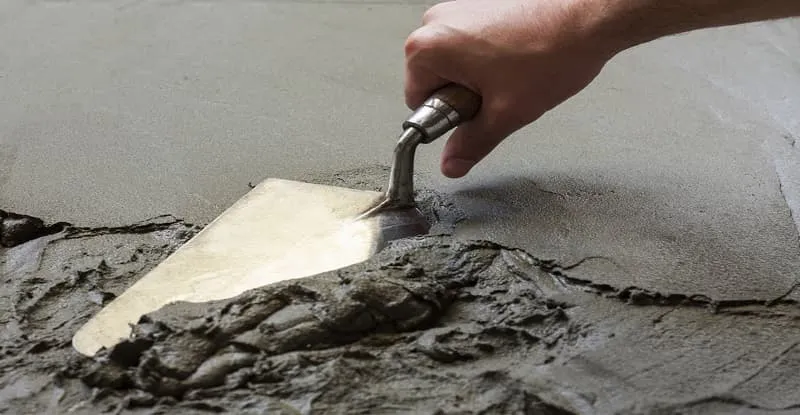
Correct Grout Application: Apply grout completely and uniformly into the voids and gaps, allowing adequate time for curing and setting.
Proper Curing: Follow the manufacturer’s curing guidelines to ensure optimal strength and durability of the hardened grout.
Concrete grout, though often overlooked, plays an indispensable role in the construction industry. By understanding its types, applications, benefits, and proper usage, one can harness the power of this versatile material to create strong, durable, and long-lasting structures.
