Tile adhesive:
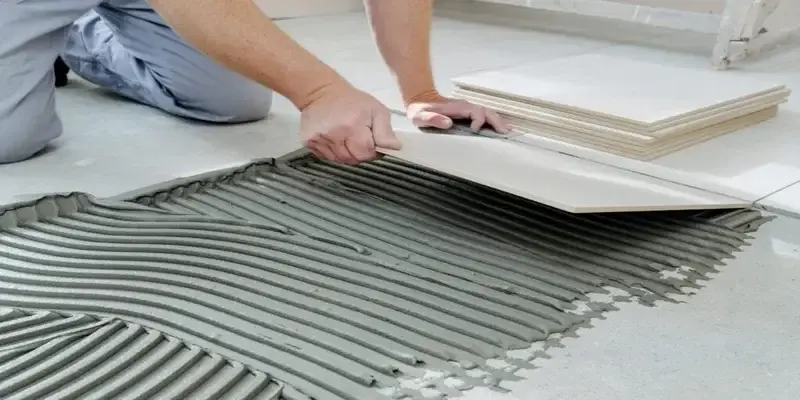
Tile adhesive, also known as thin-set mortar, is a type of mortar used to bond tiles to a substrate, such as concrete, backer board, or plywood. It is made from a mixture of Portland cement, sand, water, and additives. Tile adhesive is typically applied with a trowel and allowed to dry before the tiles are set.
Types of tile adhesive :
There are two main types of tile adhesive:
- Cement-based tile adhesive: This is the most common type of tile adhesive. It is strong, durable, and waterproof. Cement-based tile adhesive is available in a variety of formulations, including modified, non-modified, and rapid-setting.
- Epoxy tile adhesive: This type of tile adhesive is very strong and durable, and it is also resistant to chemicals and stains. Epoxy tile adhesive is a good choice for areas that are subject to heavy traffic or moisture, such as floors in kitchens and bathrooms.

: Technical specifications of pool waterproof tile adhesive product
- Physical state: powder
- color : gray
- Chlorine ion: No
- Mixing ability: Yes
- pH: 11
- Storage conditions: away from cold and heat in a closed bucket
waterproof pool tile adhesive
Choosing the right tile adhesive :
The type of tile adhesive you choose will depend on the type of tile you are using, the substrate you are bonding the tiles to, and the conditions in the area where the tiles will be installed. Here are some factors to consider when choosing a tile adhesive:
- The type of tile: Some tiles, such as ceramic and porcelain tiles, require a cement-based tile adhesive. Others, such as natural stone tiles, may require an epoxy tile adhesive.
- The substrate: The type of substrate you are bonding the tiles to will also affect the type of tile adhesive you need to use. For example, if you are bonding tiles to concrete, you will need a cement-based tile adhesive that is specifically designed for concrete applications.
- The conditions: The conditions in the area where the tiles will be installed will also affect the type of tile adhesive you need to use. For example, if the tiles will be installed in an area that is subject to moisture, you will need a waterproof tile adhesive.
Study proposal : click here for more information about list of block factories in the world and Guide to choosing ceramic tiles .
How to apply tile adhesive :
Applying tile adhesive is a relatively simple process. Here are the basic steps:
- Prepare the surface: The surface you are bonding the tiles to must be clean, dry, and free of any debris. You may need to sand or lightly scuff the surface to ensure a good bond.
- Mix the adhesive: Mix the tile adhesive according to the manufacturer’s instructions.
- Apply the adhesive: Apply the adhesive to the substrate with a trowel. The trowel you use will depend on the size of the tiles. For small tiles, you will need a small trowel with a 1/4-inch notch. For larger tiles, you will need a larger trowel with a 1/2-inch notch.
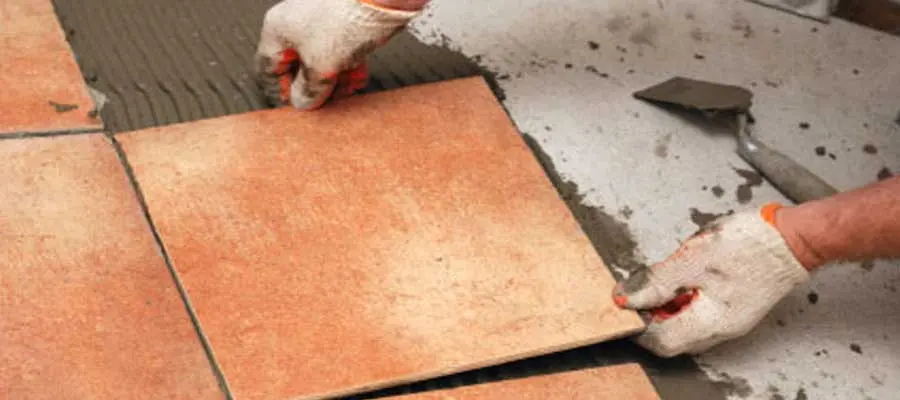
- Set the tiles: Set the tiles in the adhesive and press them firmly into place.
- Grout the tiles (optional): If you are using cement-based tile adhesive, you will need to grout the joints between the tiles once they have dried.
Tips for using tile adhesive :
Here are a few tips for using tile adhesive:
- Work in small sections: Don’t apply too much adhesive at once. Work in small sections so that the adhesive does not dry out before you have a chance to set the tiles.
- Use a level: Use a level to make sure that the tiles are level.
- Allow the adhesive to dry completely: Allow the adhesive to dry completely before walking on the tiles or grouting them.
Safety precautions :
When using tile adhesive, it is important to take some safety precautions. Here are a few tips:
- Wear gloves and a mask: Tile adhesive can irritate the skin and eyes. Wear gloves and a mask to protect yourself.
- Ventilate the area: Tile adhesive can release fumes that can be harmful if inhaled. Ventilate the area well when using tile adhesive.
- Keep tile adhesive out of reach of children: Tile adhesive can be poisonous if ingested. Keep tile adhesive out of reach of children.
Advantages of using tile adhesive :
Tile adhesive, also known as thin-set mortar, is a type of mortar specifically designed for installing tiles. It is made up of a mixture of cement, sand, water, and additives that are combined to create a strong and durable adhesive. Tile adhesive is typically applied to a backing board or substrate, such as concrete or plywood, and then the tiles are set in place. Once the adhesive has cured, it forms a hard bond that holds the tiles securely in place.
There are many advantages to using tile adhesive over traditional mortar methods, including:
- Stronger bond: Tile adhesive creates a much stronger bond between the tiles and the substrate than traditional mortar methods. This is because the adhesive is able to penetrate the pores of the tiles and substrate, creating a mechanical lock. This stronger bond is less likely to crack or fail, even in areas of high traffic or moisture.
- More flexible: Tile adhesive is more flexible than traditional mortar, which means that it is less likely to crack or crumble due to movement of the substrate. This is especially important in areas that are prone to movement, such as floors and shower walls.
- Easier to use: Tile adhesive is much easier to use than traditional mortar methods. It is pre-mixed, so there is no need to mix sand, cement, and water. This can save a lot of time and effort, especially for DIY projects.
- Thinner joints: Tile adhesive can be used to create thinner joints between tiles than traditional mortar methods. This can give a more modern and polished look to your tile installation.
- More water resistant: Tile adhesive is more water resistant than traditional mortar, which means that it is less likely to be damaged by moisture. This makes it a good choice for areas that are prone to moisture, such as bathrooms and kitchens.
- Can be used with a wider variety of tiles: Tile adhesive can be used with a wider variety of tiles than traditional mortar methods. This includes natural stone tiles, glass tiles, and mosaic tiles.
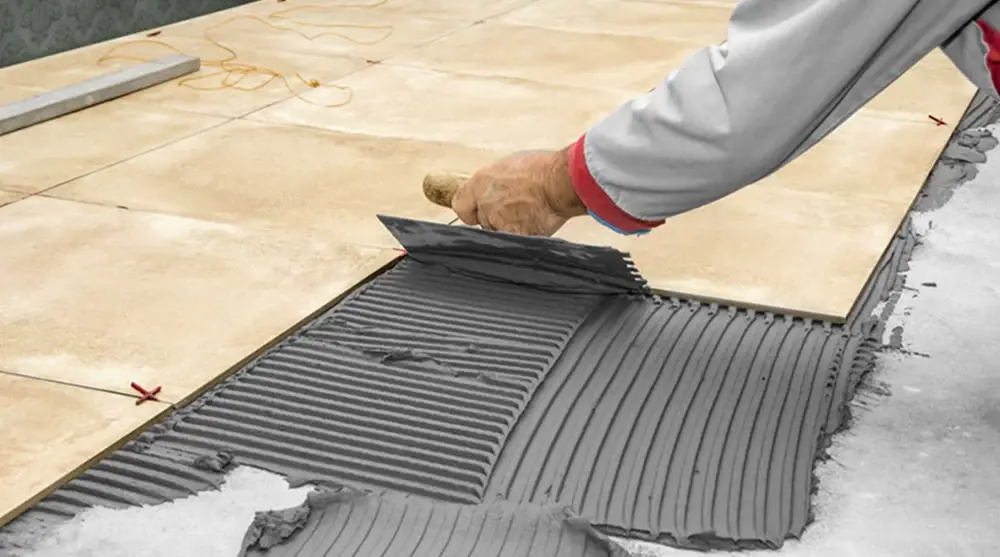
Overall, tile adhesive is a superior choice for installing tiles than traditional mortar methods. It is stronger, more flexible, easier to use, and more water resistant. It can also be used with a wider variety of tiles. If you are considering installing tiles in your home, I highly recommend using tile adhesive.
Overall, tile adhesive is an essential tool for any DIYer who wants to install tiles. By following the tips in this article, you can ensure that your tile installation is a success.
