Pool epoxy resin is a type of resin specifically formulated for use in swimming pools. It’s a two-component system, typically consisting of a resin and a hardener, that cures to form a strong, durable, and waterproof coating for concrete or other pool surfaces.
Applications:
Pool Resurfacing: Pool epoxy resin is a popular choice for resurfacing existing pools, particularly those showing signs of wear, tear, or minor cracks. It can revitalize the pool’s appearance and improve its overall functionality.
Pool Repairs: Epoxy resin can be used for small repairs to cracks, chips, or damaged areas in concrete pools.
Waterproofing: The cured epoxy resin forms a waterproof barrier, protecting the pool structure from water infiltration and potential damage.
Chemical Resistance: Epoxy resin is resistant to pool chemicals like chlorine, bromine, and algaecides, ensuring long-lasting performance in the pool environment.
Durability: Cured epoxy resin is known for its exceptional strength and durability, creating a long-lasting pool surface.
Waterproofing: The epoxy coating effectively prevents water from penetrating the pool structure, minimizing the risk of leaks and moisture-related damage.
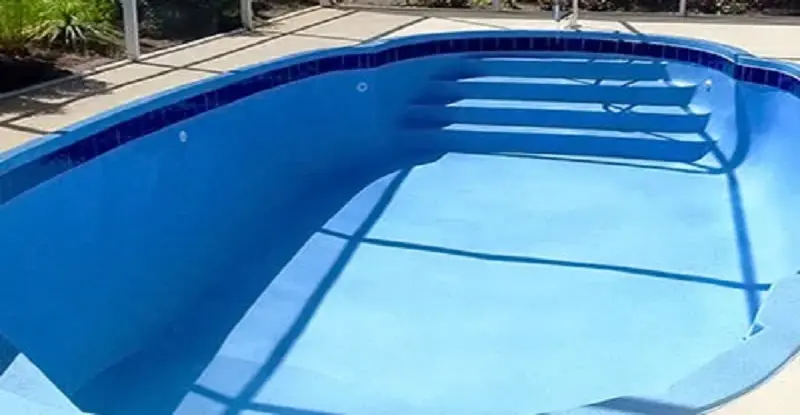
Smooth Finish: Epoxy resin creates a smooth and seamless pool surface, improving aesthetics and enhancing the swimming experience.
Chemical Resistance: Resistance to pool chemicals ensures the pool’s finish doesn’t deteriorate due to chemical exposure.
Application Versatility: Epoxy resin can be applied to various pool surfaces, including concrete, fiberglass, and some types of tile. (Always check compatibility with specific tile materials before application)
Wide Range of Colors and Finishes: Pool epoxy resin comes in a variety of colors and even some textured finishes, allowing for customization to match your desired pool aesthetic.

Surface Preparation: Proper surface preparation, including cleaning, etching, and drying of the existing pool surface, is crucial for optimal adhesion of the epoxy resin.
Professional Application: While some pool epoxy products are DIY-friendly, for complex applications or larger pools, it’s recommended to hire a professional pool contractor experienced in epoxy resin application.
Curing Time: Epoxy resin requires proper curing time to achieve its full strength and waterproof capabilities. Pool usage will need to be restricted during this period.
Maintenance: While durable, epoxy resin surfaces still require regular cleaning and maintenance to maintain their appearance and performance.
In conclusion, pool epoxy resin offers a viable solution for resurfacing, repairing, and waterproofing swimming pools. It provides a durable, waterproof, and customizable pool surface that can enhance the aesthetics and functionality of your pool for years to come.
Epoxy pool resin is usually more expensive than other pool restoration options such as plaster or paint. The cost can vary depending on the size and complexity of the pool, the quality of the epoxy resin, and labor costs in your area.
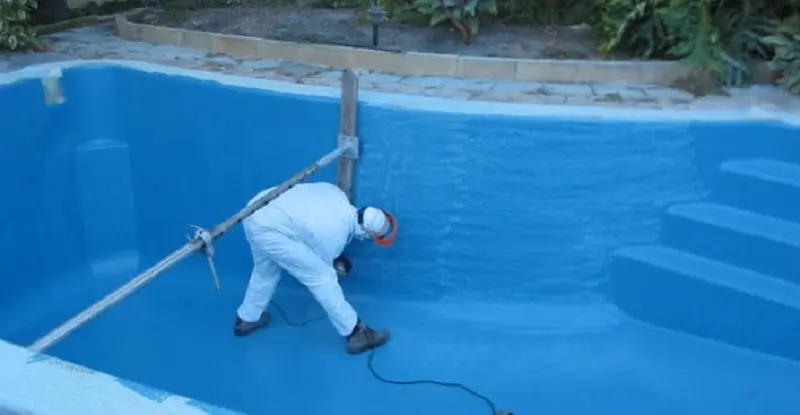
Using pool epoxy resin requires high skill and experience. Improper installation can lead to adhesion problems, uneven surfaces or discoloration. If you are not confident in your skills, it is better to hire a professional installer.
While some pool epoxy resin formulations offer UV protection, prolonged exposure to sunlight can cause the resin to fade or yellow over time. This issue is more noticeable in outdoor pools that receive direct sunlight. Regular use of UV protection can help reduce this problem.
When wet, some epoxy resin pool surfaces can become slippery, especially if they are untextured or have a smooth surface. This can create a safety hazard, especially for children and the elderly in the pool. It is important to choose a slip resistant epoxy resin or add a texture coating during use.
Study proposal : click here for more information about What is the use of pool waterproofing?
Epoxy resin pool surfaces require regular cleaning and maintenance to maintain their appearance and prevent staining. This includes brushing, vacuuming, and using appropriate pool chemicals. Improper maintenance can result in discoloration, fading, and loss of smoothness.
Repairing damaged epoxy resin pool surfaces can be challenging and may require professional expertise. Depending on the extent of the damage, repairs may include patching, resurfacing the entire area, or even replacing the damaged pool tiles.
Pool epoxy resin is not compatible with all pool surfaces. It gives the best adhesion to concrete and fiberglass pools, but may not adhere well to some types of tile or plaster surfaces. It is essential to consult a pool professional to ensure compatibility before using epoxy resin.
Epoxy resin contains volatile organic compounds (VOCs) that can emit vapors during use and curing. These fumes can cause respiratory irritation, headaches and other health problems. Proper ventilation and safety precautions are essential during installation.
Epoxy pool resin requires a curing period of several days before the pool can be filled and reused. This can be inconvenient, especially during peak pool season. Careful schedule planning and consideration of alternative swimming arrangements are essential.
Some people may experience allergic reactions to epoxy resin or its hardening components. To minimize exposure and possible allergic reactions, it is recommended to wear protective gloves, goggles and a respirator during installation.
As a result, while epoxy pool resin offers several advantages, it is important to carefully consider the possible disadvantages before making a decision. Consider cost, installation requirements, maintenance needs, and potential safety hazards. If you are not comfortable with the DIY aspect or have concerns about compatibility with your pool surface, consult a pool professional for expert advice and installation services.
Durability and Longevity:
High Strength: Pool epoxy resin cures into a very strong and rigid material, making it resistant to cracking, chipping, and wear and tear. This translates to a longer lifespan for your pool surface compared to other materials.
Impact Resistance: Epoxy resin can withstand bumps and impacts better than some other pool finishes, like plaster, minimizing the risk of damage from pool equipment or accidental drops.
Chemical Resistance: Epoxy resin is formulated to resist pool chemicals like chlorine, bromine, and algaecides. This ensures the color and finish don’t deteriorate due to constant exposure to these chemicals, maintaining the pool’s aesthetics over time.
Waterproofing and Protection:
Impenetrable Barrier: Cured epoxy resin forms a seamless and waterproof barrier that prevents water from penetrating the pool structure. This minimizes the risk of leaks, moisture-related damage to the underlying materials, and potential problems with pool equipment due to water infiltration.
Corrosion Protection: The waterproof barrier created by epoxy resin also helps protect the pool’s reinforcement structures (like steel rebar in concrete pools) from corrosion caused by water and pool chemicals.
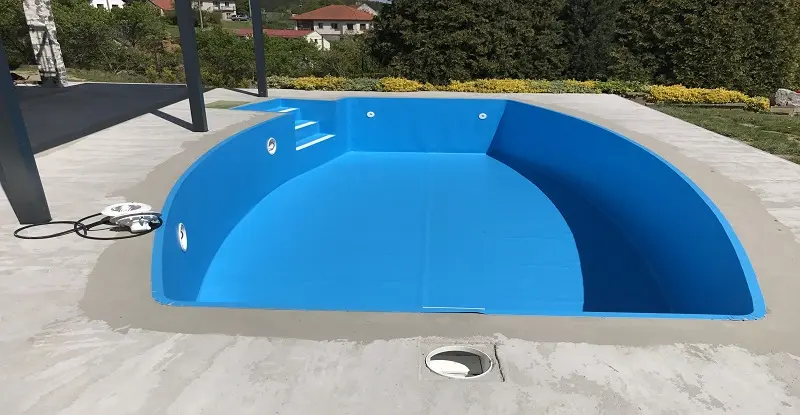
Aesthetics and Customization:
Smooth and Seamless Finish: Epoxy resin creates a smooth and visually appealing pool surface that enhances the overall aesthetics of your pool compared to traditional finishes like plaster that can develop a rough texture over time.
Color Versatility: Pool epoxy resin comes in a wide range of colors, allowing you to customize the pool’s appearance and create a unique visual design element. Some options even offer a pearlescent or metallic finish for an extra touch of luxury.
Textured Options: While a smooth finish is common, some epoxy resin options come with a textured finish that can improve slip resistance and add a subtle visual detail to your pool surface.
Additional Features:
Fast Curing: Compared to some other resurfacing materials, pool epoxy resin cures relatively quickly. This reduces the amount of downtime your pool will be out of commission during the renovation process.
Bonding Versatility: Epoxy resin can adhere well to various pool surfaces, including concrete, fiberglass, and some types of tile. However, always confirm compatibility with your specific pool material before application.
UV Stability (with limitations): Some epoxy resin formulations offer UV protection, helping to minimize fading or yellowing caused by prolonged sun exposure. However, it’s still advisable to consider sun shades or umbrellas for additional protection, especially for outdoor pools.
By understanding these key features, you can make an informed decision about whether pool epoxy resin is the right choice for your pool resurfacing or repair project. Remember to weigh the features alongside potential drawbacks like cost, installation requirements, and maintenance needs for a well-rounded assessment.
