Swimming is an enjoyable and refreshing activity that provides numerous health benefits, including improved cardiovascular health, increased muscle strength, and enhanced flexibility. However, it’s crucial to prioritize safety while engaging in any water activity.

1. Physical state: three components
2. Color: gray
3. Packaging: 25 kg bags and one liter gallon
4. Product type: polymer cement base
5. Ability to mix: Yes
6. Chlorine ion: none
7. Expiry date: one year after production
8. Storage conditions: keep away from cold and heat in a closed bucket
Supervised Locations: Always swim in areas supervised by lifeguards. Their presence provides a layer of protection and ensures prompt assistance in case of emergencies.
Marked Areas: Adhere to designated swimming zones, whether it’s a marked swimming lane in a pool or a designated area in a natural water body like a beach or lake. These areas are typically considered safe for swimming due to factors such as depth, water conditions, and potential hazards.
Buddy System: Implement the “buddy system” and never swim alone. Having a companion allows for mutual supervision and assistance in case of any difficulties or emergencies.
Adult Supervision: For children, ensure constant supervision by a responsible adult, even when lifeguards are present. Children’s swimming abilities and awareness of water safety may vary, and adult supervision is crucial to prevent accidents.
Study proposal : click here for more information about Water sports and fun in the pool and How to use sauna and jacuzzi .
Know Your Limits: Swim within your abilities and don’t venture beyond your comfort zone, especially in unfamiliar waters. Overestimating your swimming skills can lead to dangerous situations.
Gradual Progression: Gradually increase swimming distances and challenge levels as your skills and endurance improve. Don’t rush into challenging situations without proper preparation and experience.
4.Be Aware of Water Conditions:
Check Water Depth: Before entering the water, check the depth and be aware of any sudden drop-offs or changes in depth. This is particularly important in natural water bodies where underwater conditions may vary.
Be Wary of Currents: Be aware of currents, especially in open water environments like oceans, lakes, or rivers. Currents can quickly pull swimmers away from shore, making it difficult to return.
5.Avoid Distractions:
Stay Focused: Minimize distractions while swimming. Avoid using electronic devices or engaging in activities that divert your attention from the task of swimming safely.
Alcohol and Drugs: Never swim under the influence of alcohol or drugs. These substances can impair judgment, coordination, and reaction time, significantly increasing the risk of accidents.
6.Learn Water Safety Skills:
Swimming Lessons: Enroll in swimming lessons to develop proper swimming techniques, including strokes, breathing, and basic water survival skills.
CPR and First Aid: Learn CPR (cardiopulmonary resuscitation) and basic first aid to be prepared to assist in case of emergencies.
7.Practice Water Safety Habits:
Warm Up and Cool Down: Always warm up before entering the water to prepare your muscles and prevent injuries. Similarly, cool down after swimming to gradually lower your heart rate.
Hydrate Properly: Stay hydrated by drinking plenty of water before, during, and after swimming. Dehydration can affect your physical performance and overall well-being.
Wear Appropriate Attire: Wear a properly fitting swimsuit and consider using non-slip footwear, especially on wet surfaces around pools or decks.
8.Respect Water Environments:
Protect the Environment: Avoid littering or polluting water bodies. Respect the natural environment and leave no trace of your presence.
Be Mindful of Marine Life: Be respectful of marine life and avoid touching or disturbing wildlife. Maintain a safe distance from animals and follow local regulations regarding interactions with marine creatures.
9.Teach Children Water Safety:
Early Education: Start teaching children water safety at an early age. Enroll them in swimming lessons and instill essential safety concepts.
Set a Good Example: Children often learn by observing adults. Be a role model by demonstrating safe swimming practices and following safety guidelines.
10.Share Water Safety Awareness:
Spread the Word: Share water safety knowledge and tips with others, especially friends, family, and community members. Promote awareness and encourage safe swimming practices.
Remember: Swimming should be an enjoyable and safe activity. By following these comprehensive safety tips, you can enhance your aquatic experiences and minimize risks while enjoying the numerous benefits that swimming offers.
Pools provide a refreshing and enjoyable escape from the heat, offering opportunities for relaxation, exercise, and fun. However, it’s crucial to prioritize safety to ensure that pool usage remains a positive and hazard-free experience. This comprehensive guide outlines essential pool safety measures for both pool owners and pool users.
Physical Barriers:
Fencing: Install fencing around pools and spas with self-closing, self-latching gates that are out of reach for young children. This barrier should completely enclose the pool area, preventing unsupervised access.
Pool Covers: Utilize pool covers when the pool is not in use. These covers help prevent accidental falls, keep out debris, and reduce evaporation.
Water Maintenance:
Maintain Proper Water Chemistry: Regularly test and adjust the pool’s water chemistry to maintain proper pH, chlorine, and stabilizer levels. Balanced water chemistry ensures disinfection, prevents algae growth, and protects swimmers from irritation.
Keep Water Clean: Regularly clean the pool to remove dirt, debris, and contaminants. Use appropriate pool cleaning equipment and follow manufacturer’s instructions.
Pool Equipment and Safety Features:
Pool Alarms: Consider installing pool alarms that can detect movement in the water. While not a substitute for supervision, they can provide an extra layer of protection.
Anti-Entrapment Devices: Ensure pool drains have anti-entrapment devices installed to prevent suction hazards. These devices are designed to prevent hair or body parts from getting caught in drain openings.
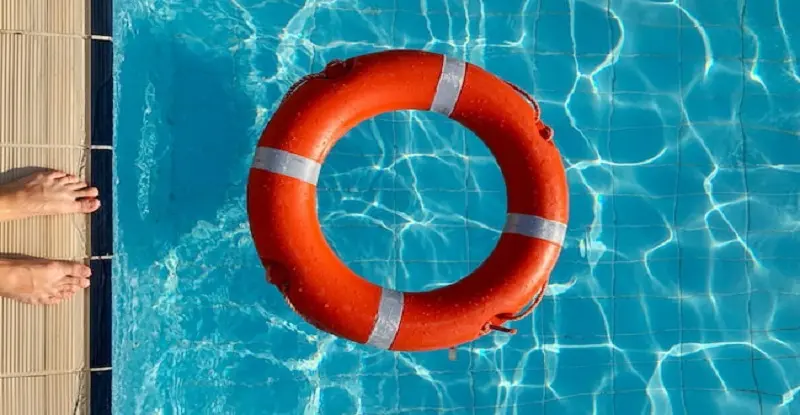
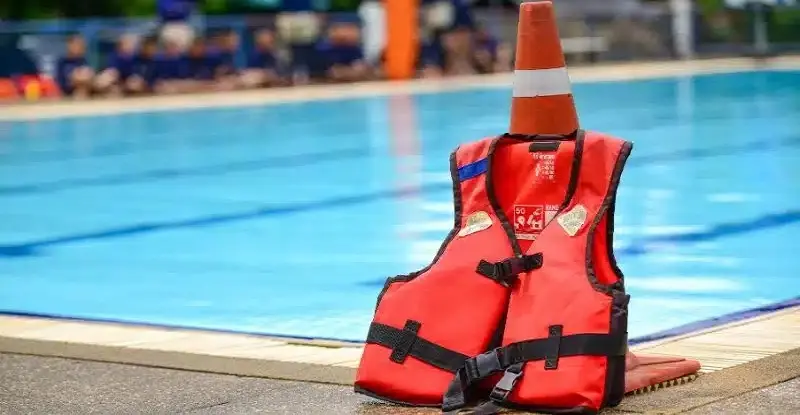
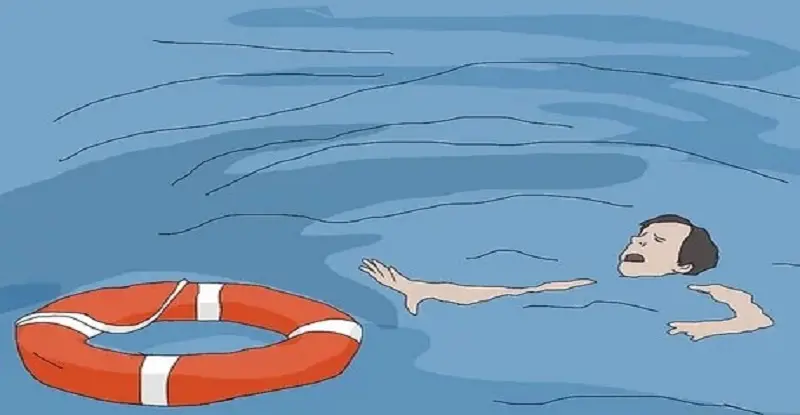
Emergency Equipment: Keep readily accessible emergency equipment, such as a life preserver, CPR kit, and first aid supplies, near the pool area.
Supervision:
Constant Supervision: Never leave children unattended near the pool, even if they know how to swim. Constant adult supervision is essential to prevent accidents.
Designate a Water Watcher: If there are multiple adults present, designate a specific person to be the “water watcher” responsible for constant supervision for a set period. Rotate this responsibility to ensure everyone gets a chance to relax, but supervision is never compromised.
Swimming Skills:
Learn to Swim: Enroll in swimming lessons to develop proper swimming techniques, including strokes, breathing, and basic water survival skills.
Know Your Limits: Swim within your abilities and don’t venture beyond your comfort zone, especially in unfamiliar waters. Overestimating your swimming skills can lead to dangerous situations.
Safe Behavior:
Avoid Distractions: Minimize distractions while swimming. Avoid using electronic devices or engaging in activities that divert your attention from the task of swimming safely.
Alcohol and Drugs: Never swim under the influence of alcohol or drugs. These substances can impair judgment, coordination, and reaction time, significantly increasing the risk of accidents.
Respect Others: Be considerate of other swimmers and avoid actions that could endanger them.
Water Safety Habits:
Warm Up and Cool Down: Always warm up before entering the water to prepare your muscles and prevent injuries. Similarly, cool down after swimming to gradually lower your heart rate.
Hydrate Properly: Stay hydrated by drinking plenty of water before, during, and after swimming. Dehydration can affect your physical performance and overall well-being.
Wear Appropriate Attire: Wear a properly fitting swimsuit and consider using non-slip footwear, especially on wet surfaces around pools or decks.
Additional Tips:
Share Water Safety Awareness: Spread the word about water safety knowledge and tips with others, especially friends, family, and community members. Promote awareness and encourage safe swimming practices.
Enroll in CPR and First Aid Training: Learn CPR (cardiopulmonary resuscitation) and basic first aid to be prepared to assist in case of emergencies.
Be Aware of Pool Rules and Regulations: Familiarize yourself with the pool’s specific rules and regulations, including designated swimming areas, depth restrictions, and safety protocols.
Communicate Clearly: Communicate clearly with other swimmers, especially children, about swimming plans and potential hazards.
By following these comprehensive pool safety guidelines, pool owners and pool users can work together to create a safe and enjoyable aquatic environment for everyone. Remember, safety should always be the top priority when enjoying the pool.
