Steel Structures:
Steel structures have revolutionized the construction industry, shaping our skylines and forming the backbone of modern infrastructure. From towering skyscrapers to intricate bridges, steel’s strength, versatility, and durability have made it an indispensable material for architects and engineers worldwide.
In this comprehensive guide, we delve into the fascinating realm of steel structures, exploring their fundamental principles, design considerations, and construction techniques. Whether you’re a seasoned professional or an aspiring engineer, this guide will equip you with the knowledge to navigate the intricacies of steel structures.
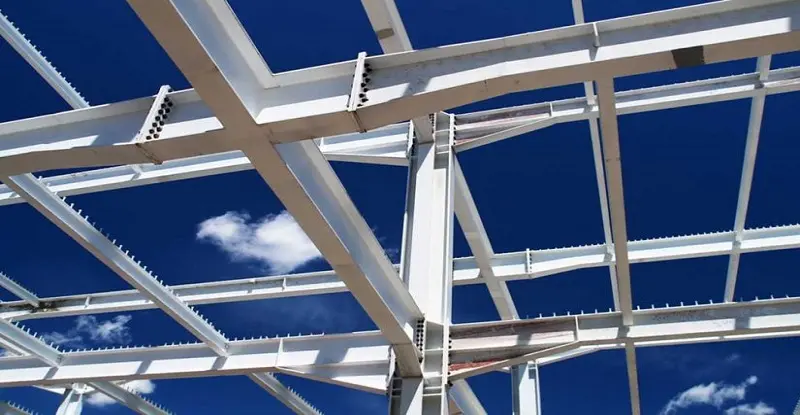
Unveiling the Essence of Steel Structures
Steel structures are essentially frameworks constructed from steel components, meticulously designed to withstand various loads and forces. These structures are renowned for their exceptional strength-to-weight ratio, enabling them to span vast distances and support immense weights while maintaining structural integrity.
The versatility of steel allows for a wide spectrum of applications, from towering skyscrapers that pierce the clouds to intricate bridges that connect communities across landscapes. Steel’s ability to be shaped into diverse forms and its compatibility with various construction methods make it a material of choice for a multitude of projects.
Delving into the Design Process: Principles and Considerations
The design of steel structures is a meticulous process that demands a deep understanding of structural engineering principles, material properties, and design codes. Engineers meticulously analyze the anticipated loads, stresses, and deformations that the structure will encounter throughout its lifespan.
Key considerations in steel structure design include:
- Load Analysis: Accurately determining the various loads acting upon the structure, such as gravity loads, live loads, wind loads, and seismic loads, is crucial for ensuring the structure’s stability and safety.
- Material Selection: Selecting the appropriate steel grade and considering factors like strength, ductility, and corrosion resistance is essential for optimal performance and longevity of the structure.
- Member Design: Designing individual steel members, such as beams, columns, and trusses, involves calculating their required dimensions, ensuring they can withstand the applied loads without compromising structural integrity.
- Connection Design: Designing connections between steel members is paramount for transferring loads effectively and maintaining the overall stability of the structure.
- Analysis and Modeling: Utilizing advanced analysis techniques, such as finite element analysis (FEA), engineers create computer models to simulate the behavior of the structure under various loading scenarios.
Suggested reading: To learn more about Concrete formwork And Underwater concreting click.
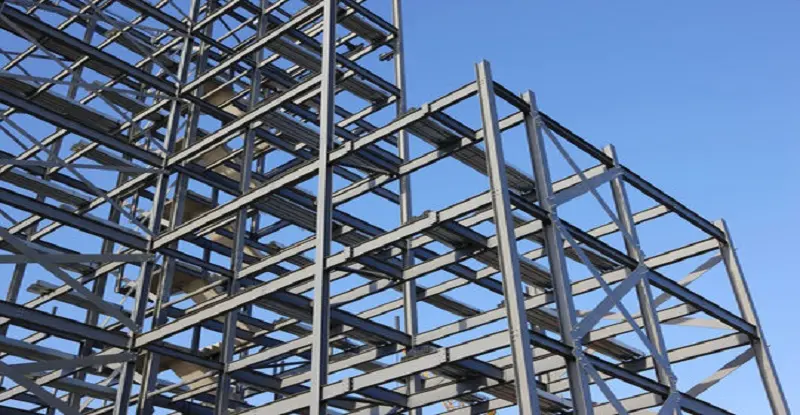
Embarking on Construction: Techniques and Procedures
The construction of steel structures involves a coordinated sequence of activities, each guided by stringent quality control measures and safety protocols. The process typically encompasses the following phases:
- Fabrication: Steel components are fabricated in workshops or on-site, involving processes like cutting, shaping, welding, and drilling, adhering to precise design specifications.
- Erection: The fabricated steel components are transported to the construction site and assembled using cranes and hoists, following a carefully planned erection sequence.
- Welding and Bolting: Connections between steel members are secured using welding techniques or high-strength bolts, ensuring the integrity of the load transfer mechanism.
- Quality Control: Throughout the construction process, rigorous quality control measures are implemented to verify the conformance of materials, fabrication, and erection to the design specifications and established standards.
The Future of Steel Structures: Innovation and Sustainability
As technology advances and societal needs evolve, steel structures continue to undergo innovative advancements, driven by sustainability and performance considerations. Emerging trends include:
- High-Performance Steel: The development of high-performance steel alloys with enhanced strength, ductility, and corrosion resistance enables the construction of lighter, more efficient structures.
- Sustainable Design: Sustainable design principles are being integrated into steel structures, minimizing environmental impact through material optimization, energy-efficient construction methods, and the use of recycled steel.
- Smart Structures: The incorporation of sensors and monitoring systems into steel structures enables real-time assessment of structural health and performance, facilitating predictive maintenance and enhancing safety.
- Computational Design and Modeling: Advanced computational tools and Building Information Modeling (BIM) are revolutionizing steel structure design, optimizing performance, minimizing material waste, and enhancing collaboration among stakeholders.
In conclusion, steel structures stand as a testament to human ingenuity and technological prowess. Their strength, versatility, and durability have shaped our world, and their future holds immense promise for innovation and sustainable development. As we continue to push the boundaries of design and construction, steel structures will undoubtedly remain at the forefront of architectural and engineering marvels.
Sure, here is an overview of the different types of steel structures, their advantages, and disadvantages:
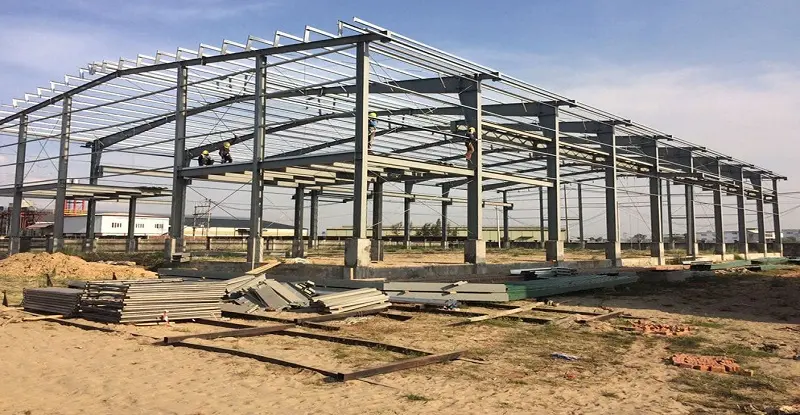
Types of Steel Structures:
Steel structures are incredibly versatile and can be used to create a wide variety of structures, each with its own unique design and purpose. Some of the most common types of steel structures include:
- Beams and Columns: These are the basic building blocks of most steel structures. Beams are typically used to span horizontal distances, while columns are used to support vertical loads.
- Trusses: Trusses are triangular frameworks made up of beams and connected by diagonal members. They are very efficient at spanning long distances and are often used in bridges and roofs.
- Plates: Plates are flat pieces of steel that are often used in conjunction with beams and columns to create more complex structures. They can also be used to form the floors and walls of buildings.
- Steel Frames: Steel frames are complete structures made up of beams, columns, and plates. They are often used in buildings, bridges, and other large-scale structures.
Advantages of Steel Structures:
Steel structures offer a number of advantages over other types of construction materials, including:
- High Strength-to-Weight Ratio: Steel is one of the strongest construction materials available, and it has a very high strength-to-weight ratio. This means that steel structures can be very light and efficient, which can save on material costs and make it easier to transport and erect structures.
- Versatility: Steel can be easily shaped into a variety of forms, which makes it a very versatile material for construction. This versatility allows steel structures to be used in a wide variety of applications.
- Durability: Steel is a very durable material that can withstand a lot of abuse. Steel structures are typically resistant to fire, rot, and insect damage, and they can last for many years with little maintenance.
- Recyclability: Steel is one of the most recyclable construction materials available. This means that steel structures can be recycled at the end of their lifespan, which can help to reduce waste and conserve resources.

Disadvantages of Steel Structures:
Despite its many advantages, steel also has some disadvantages, including:
- Cost: Steel can be more expensive than some other construction materials, such as wood or concrete. However, the long-term cost of steel structures can be lower due to their durability and low maintenance requirements.
- Corrosion: Steel is susceptible to corrosion, which can be a problem in some environments. However, there are a number of ways to protect steel from corrosion, such as painting, galvanizing, or using stainless steel.
- Thermal Conductivity: Steel is a good conductor of heat, which can mean that steel structures can be uncomfortable to be in in extreme temperatures. However, there are a number of ways to insulate steel structures to improve their thermal performance.
- Fire Resistance: While steel is not combustible, it can lose strength when exposed to high temperatures. This can make steel structures more susceptible to collapse in a fire. However, there are a number of ways to protect steel structures from fire, such as using fire-resistant coatings or encasing steel members in concrete.
Conclusion:
Steel structures are a versatile, durable, and sustainable construction material that can be used to create a wide variety of structures. While there are some disadvantages to using steel, such as its cost and susceptibility to corrosion, the advantages of steel often outweigh the disadvantages. As a result, steel is a popular choice for a wide variety of construction projects.
