Maintaining a sparkling and inviting pool requires more than just regular skimming and brushing. Effective pool water purification involves a multi-step process that ensures the water is clean, safe, and free from harmful contaminants. This comprehensive guide delves into the intricacies of pool water purification, equipping you with the knowledge to keep your pool water crystal clear and enjoyable.
Pool water is constantly exposed to various contaminants, including:
Swimmers: Body lotions, sunscreens, sweat, and urine introduce organic matter into the water.
Environment: Airborne debris, dust, pollen, and insects can settle on the water’s surface.
Weather: Rainwater can introduce contaminants like dirt and organic matter.
Algae: These microscopic plants thrive in pool water, causing cloudiness and discoloration.
Bacteria and Microorganisms: These pathogens can pose health risks if not properly controlled.

1. Form mode: three components
2. Color: gray
3. Packaging: 25 kg bags and one liter gallon
4. Product type: polymer cement base
5. Ability to mix: Yes
6. Chlorine ion: none
7. Expiry date: one year after production
8. Storage conditions: Keep away from cold and heat in a closed container
Pool water purification involves a series of interconnected steps that work together to remove contaminants and maintain water quality.
Physical Filtration:
Straining: Water is passed through a strainer basket to remove large debris like leaves and twigs.
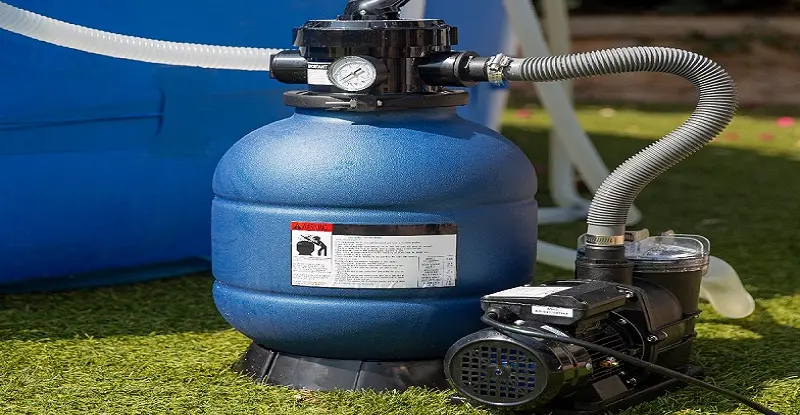
Sand Filtration: Water passes through sand filters, trapping dirt, fine particles, and some algae.
Diatomaceous Earth (DE) Filtration: DE filters trap even smaller particles than sand filters, including most algae.
Chemical Disinfection:
Chlorine: The most common sanitizer, chlorine kills bacteria, viruses, and other pathogens.
Bromine: An alternative to chlorine, bromine is effective in spas and hot tubs.
Other Sanitizers: Ozone and ultraviolet (UV) light can also be used for disinfection.
Water Chemistry Balancing:
pH: Maintaining a pH level between 7.2 and 7.8 ensures sanitizer effectiveness and prevents skin and eye irritation.
Alkalinity: Proper alkalinity levels (80-120 ppm) help stabilize pH and prevent corrosion.
Calcium Hardness: Ideal calcium hardness (200-400 ppm) prevents scaling and cloudiness.
Study proposal : click here for more information about Agricultural pool and Dubai infinity pool
Flocculation: Chemicals clump together fine particles, making them easier to filter out.
Backwashing: Filters are periodically backwashed to remove accumulated debris.
Shock Treatment: High chlorine doses eliminate persistent algae or contaminants.
Pool Size and Usage: Larger pools and those with heavier usage require more frequent filtration and chemical treatment.
Climate and Weather: Warmer climates and heavy rainfall can increase algae growth and contaminant levels.
Bathing Load: The number of swimmers using the pool impacts the amount of contaminants introduced.
Pool Chemistry Imbalances: Improper chemical balance can hinder disinfection and filtration effectiveness.
Regular Testing: Test pool water chemistry weekly or more often if needed.
Adjust Chemicals: Add or adjust chemicals based on test results to maintain proper balance.
Clean Filters Regularly: Clean sand filters according to the manufacturer’s instructions. DE filters require regeneration or replacement after each backwash.
Monitor Pool Usage: Adjust filtration and chemical treatment schedules based on usage patterns.
Seek Professional Assistance: Consult a pool professional if you encounter persistent water quality issues.
By understanding the pool water purification process, its influencing factors, and implementing proper maintenance practices, you can ensure your pool remains a haven of sparkling clean and safe water for you and your family to enjoy.
They say that swimming pools are used in villas, hotels and restaurants. They also found recreational swimming pools and water parks in the city of Harwaj. Due to the direct contact of pool water with humans, both contact causes transmission from person to water and photo, which ultimately causes pool-related diseases. For this reason, pool water must be selected and disinfected periodically and permanently. In the following, the pool water purification process and its methods are explained.
Water causes many difficulties in swimming pools, the most important of which is damage to the skin and the formation of sediment layers on the facilities. A rubber hardener can be used to reduce the hardness of the pool water. As water passes through the resin grains, it loses calcium and magnesium ions and its hardness decreases.
One of the best ways to kill microorganisms in water is with a UV lamp. By irradiating ultraviolet rays into the water, many of its pollutants are destroyed, but this radiation can harm the human body. Therefore, the structure of the lamp is designed to store mercury in a glass container. A layer of steel is placed in the glass so that the light does not touch the human body in any way.
A skimmer is a type of plastic basket that is installed in different parts of the pool and is used to collect hair, leaves, twigs and other large solid particles. These parts have reasonable and cheap prices and by installing them, you can prevent the accumulation of insects, hair, etc. on the bottom of the pool.

One of the effective ways to clean the water of large pools is to install an industrial water purifier. In this device, the reverse osmosis method is used to separate the pollutants in the water and also dilutes the solution. By installing this device, the water also passes through the sand filter and the carbon filter, so it can be said that several stages of purification are combined in one device.
These devices are produced in different capacities and can be designed and built according to the capacity of the pool. By choosing the right equipment, you can clean the water in the pool with maximum efficiency. In some of these devices, water is passed through nanofiltration, which is effective in eliminating bacteria and microorganisms.
If you are looking for a simple way to clean your pool water, you have many choices. Because there are cleaning equipment for public pools, many types of indoor and outdoor pools, etc., and many types are automatic. Here is the easiest way to clean a pool:
One of the simplest methods is to install a sand filter in the pool. Using a sand filter, fine particles suspended in water are removed in a short period of time. Because these particles cannot pass through the silica grains in the filter. This process is done and even the backwash is done automatically.
Installing a pump is one of the easiest ways to clean pool water. These pumps have different types and are different in terms of capacity and efficiency. Depending on the capacity of the pool, you can choose the power of the pump and install it in the pool. The use of these devices significantly reduces water consumption and water pollution is at a low level.
You can also install UV lamps in pools that use UV rays to purify them. Ultraviolet rays have high energy to destroy bacteria and microorganisms that are placed inside the glass container. This room has steel plates to prevent radiation damage to the human body.
Another easy way to clean pool water is to install a skimmer. Skimmers are cheap and used in outdoor pools. These devices collect suspended particles in water and have a significant effect on water purification.
